
Last updated November 23, 2026
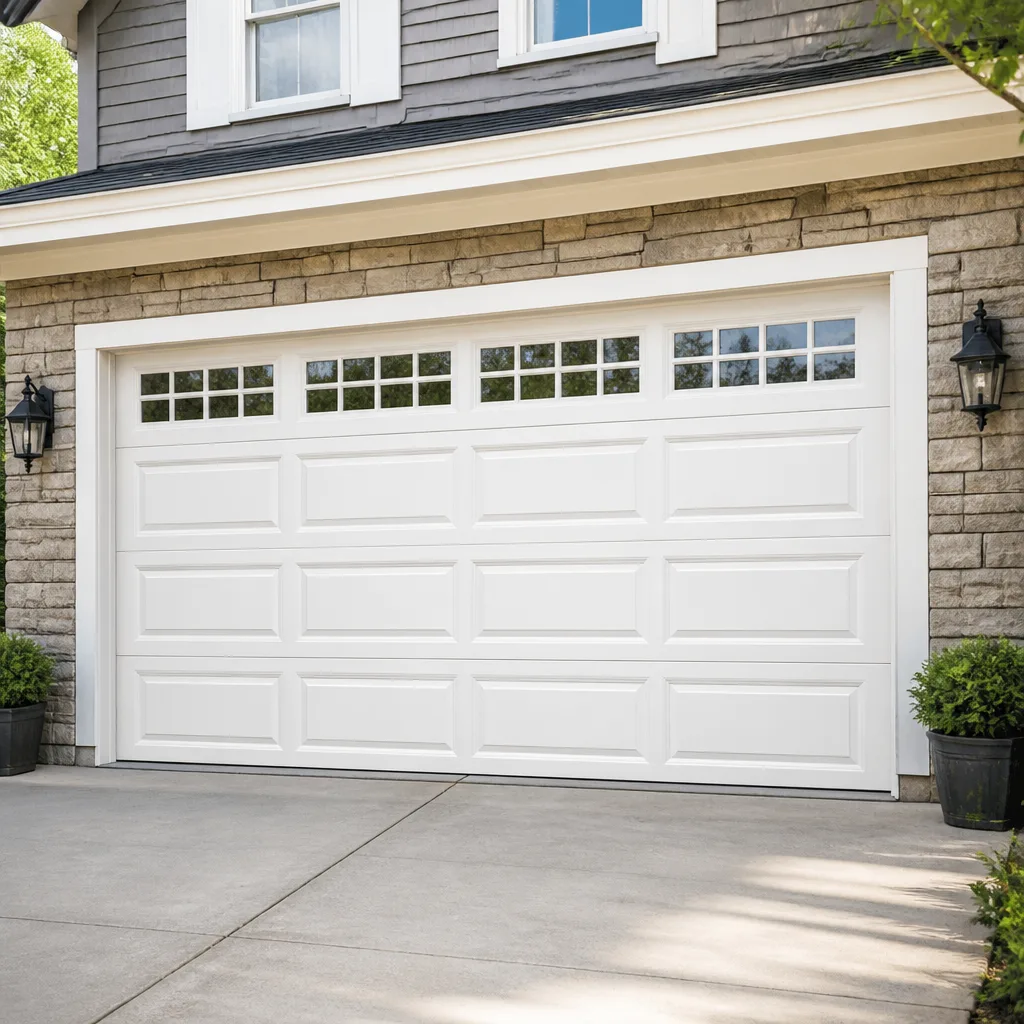 Raised-panel steel
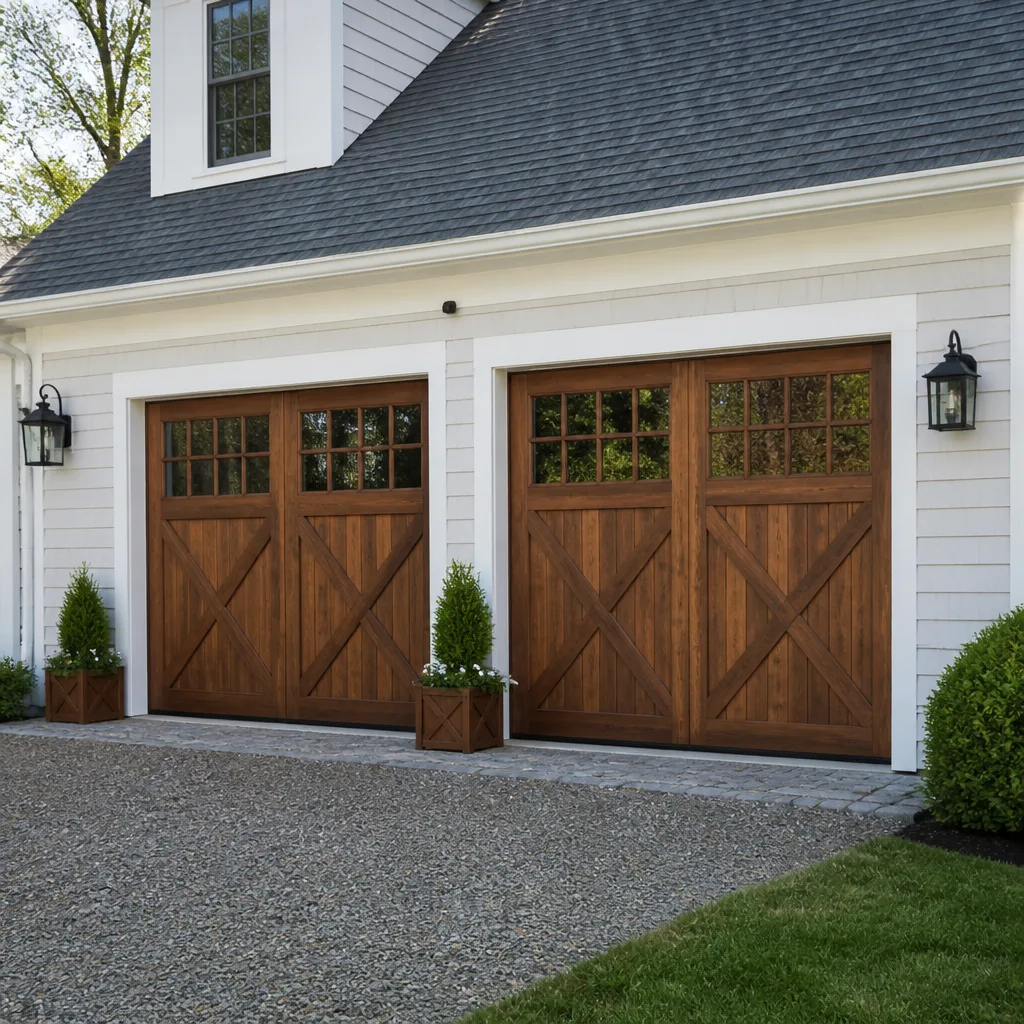 Carriage house
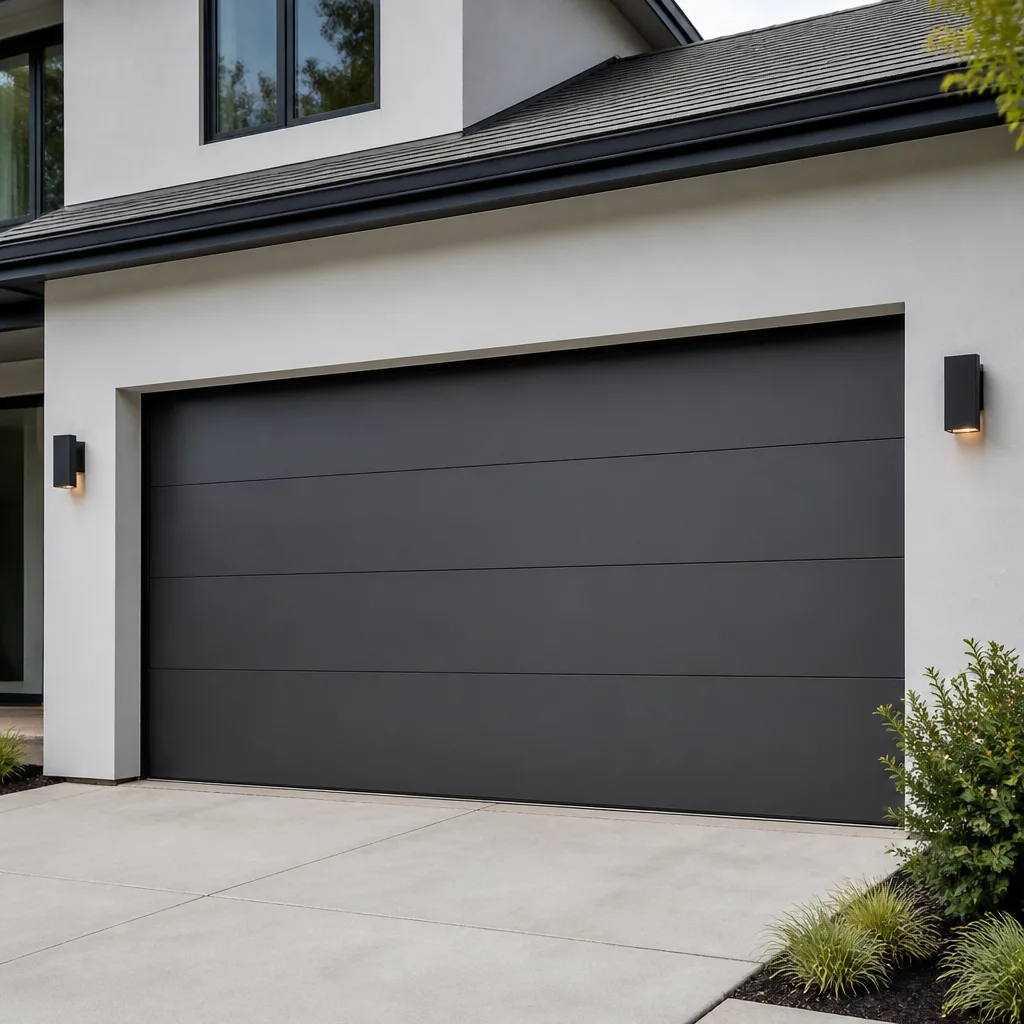 Modern flush
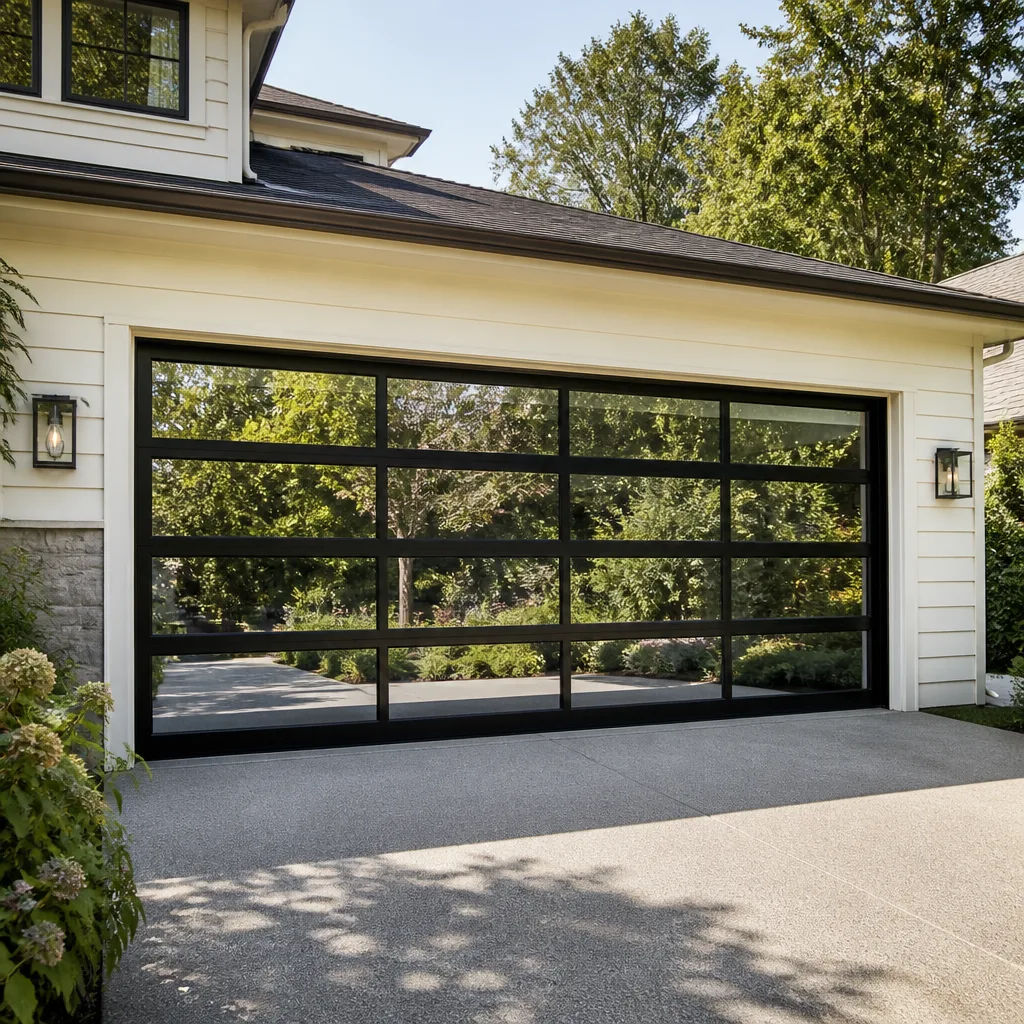 Full-view glass
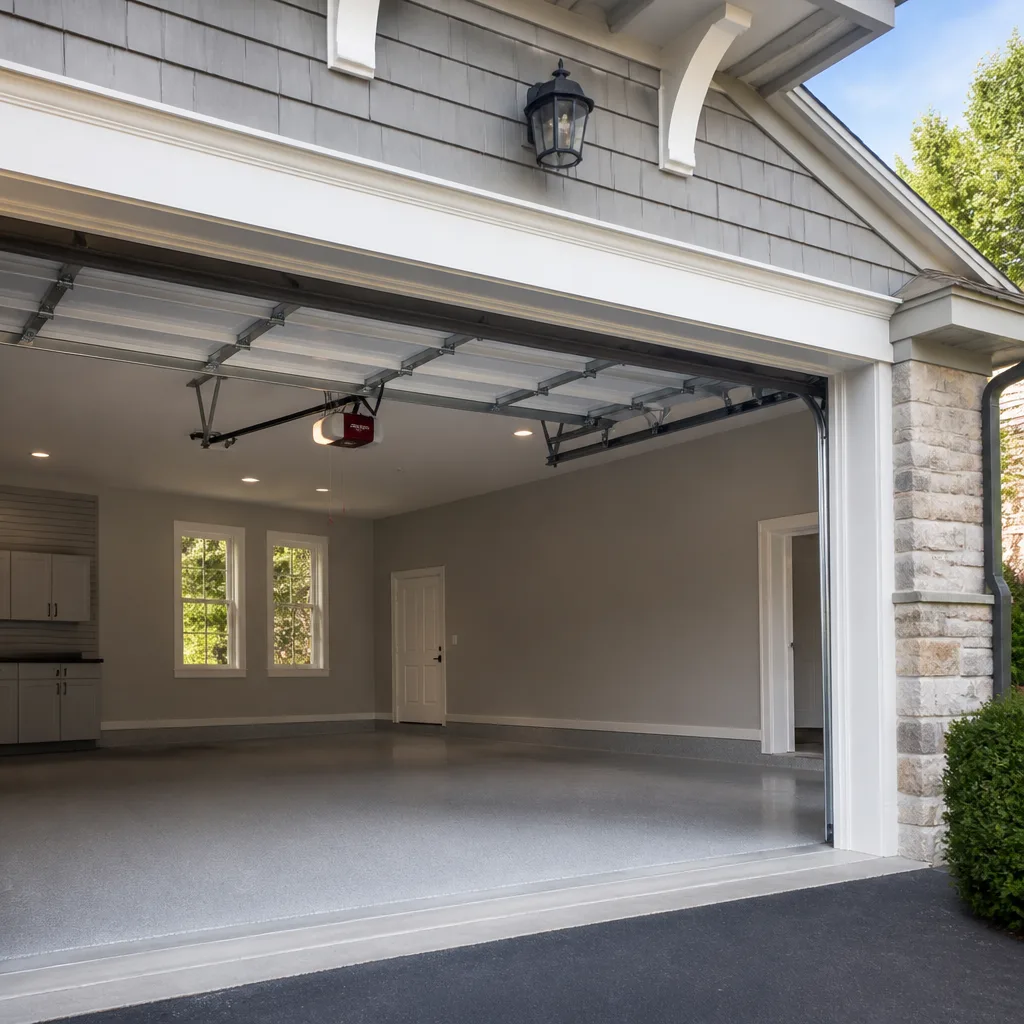 LiftMaster openers
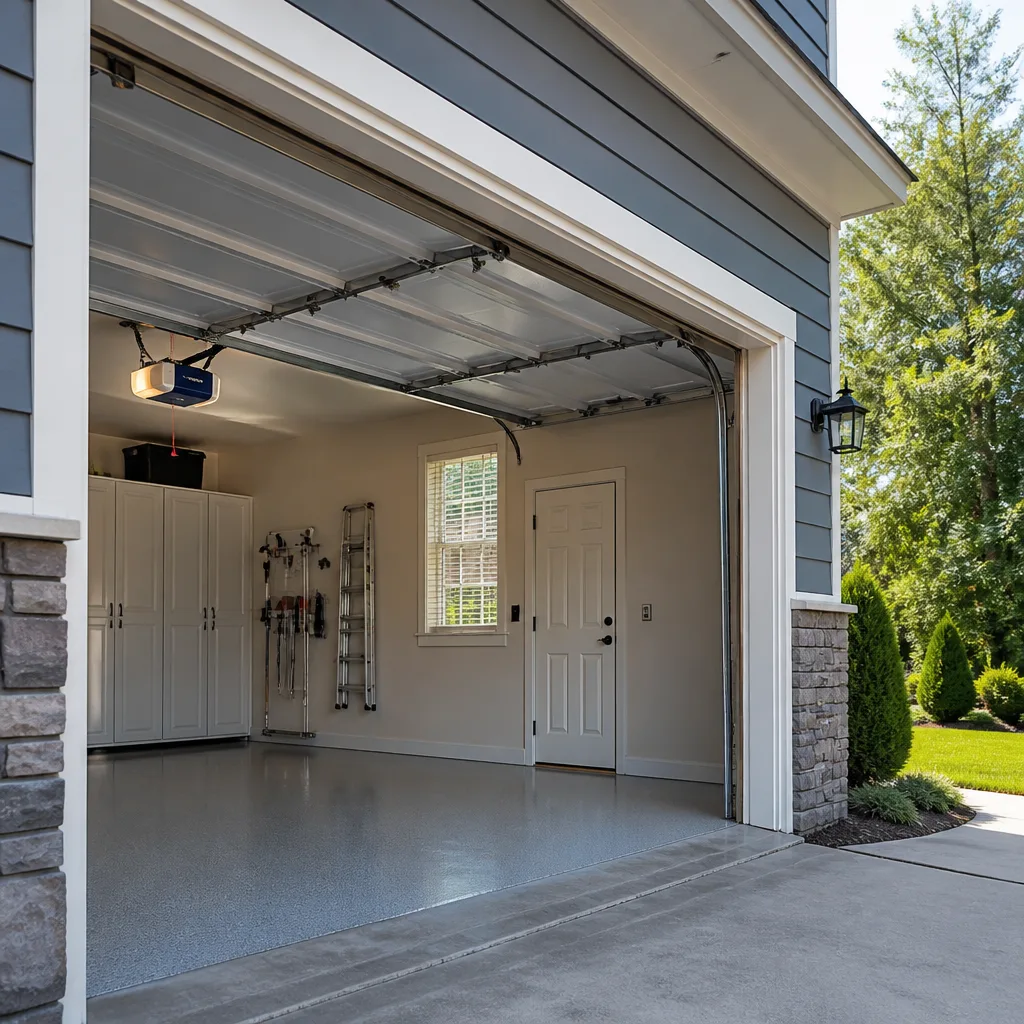 Chamberlain openers
Full 25-point door and opener safety check with every visit - springs, cables, rollers, tracks, and your LiftMaster or Chamberlain opener included
You get a price before we start. It does not change when the pro arrives.
Get your free estimateSeasonal Garage Door Care for Bensalem: Year-Round Homeowner’s Guide
Lubricating your torsion springs in July is a reasonable idea. Doing it at 15°F in January with the wrong product can make them wear faster than doing nothing at all. That single contrast explains most garage door failures we see around Bensalem: the care task that protects a door in August is often irrelevant by February, and the reverse is just as true. Most homeowners run a single maintenance routine all year and wonder why the door sounds different in March than it did in October. This guide breaks the year into four distinct care windows, each matched to what our climate actually does to steel, wood, rubber seals, and opener electronics in Bensalem. You’ll learn what to check, when to check it, and which tasks are worth doing yourself versus handing to a specialist.
Quick Answer
Seasonal garage door care in Bensalem follows four windows: fall prep (September through November) is the highest-value maintenance period because it addresses problems before cold turns them into emergencies; winter care focuses on seals, weatherstripping flexibility, and opener sensitivity in freezing temperatures; spring care checks for frost heave damage and re-tensions hardware after months of contraction; and summer care targets humidity effects on wood and wood-composite doors. The single most common mistake is using one lubricant year-round. Cold-weather lubricants and warm-weather lubricants are different products for a reason.
Styles & brands we work with
- Raised-panel steel
- Carriage house
- Modern flush
- Full-view glass
- LiftMaster openers
- Chamberlain openers
Table of Contents
- Why Bensalem’s Four Seasons Treat Your Door Differently
- Fall Prep: The Highest-ROI Maintenance Window
- Winter Care: Seals, Sensors, and Cold-Stiff Cables
- Spring Thaw: Frost Heave, Frame Shifts, and Re-Tensioning
- Summer Humidity: Wood Doors and Composite Panels
- Temperature-Specific Lubricant Selection
- Bensalem Month-by-Month Maintenance Calendar
- Brand-Specific Notes for Common Local Doors
Why Bensalem’s Four Seasons Treat Your Door Differently
A garage door is a mechanical system made of materials that each respond to temperature and humidity at different rates. Steel panels expand and contract. Torsion springs change tension across a temperature range. Rubber weatherstripping goes from pliable to brittle. Wood and wood-composite panels absorb and release moisture. When you live somewhere with genuinely distinct seasons, those materials are in almost constant motion against each other, and every joint, roller, and hinge takes the load.
Bensalem sits in a climate band that gets the full range: hot, humid summers that push wood and composite panels to their moisture limits, and cold winters that stiffen grease, harden rubber, and change how much force your opener needs to lift the same door it lifted easily in September. The gap between the two extremes is what does the damage. A door that ran quietly in July can sound labored by January not because anything broke, but because the lubricant thickened and the seals lost flexibility.
That’s why a single annual tune-up doesn’t really serve a Bensalem door. What works is a rhythm: heavier checks before the cold arrives, specific cold-weather adjustments in winter, a post-thaw inspection in spring, and humidity management in summer. Each window has a handful of tasks that matter most, and a few that don’t apply. Doing them in the right order is how you avoid mid-season surprises.
We’ve worked on thousands of doors across the region, from older wood-panel doors in established neighborhoods near Street Road to newer steel and composite doors in the developments off Bristol Pike. The pattern is remarkably consistent: doors that get seasonal attention last longer and fail less. Most of the failure modes we address in garage door repair Bensalem calls started as something small that went unaddressed across a season boundary.
Fall Prep: The Highest-ROI Maintenance Window
September and October are the best months of the year to address garage door issues in Bensalem, and it comes down to timing. A door problem in September can be diagnosed, scheduled, and fixed on a normal timeline. The same problem in January is often an emergency, because it turns into a door that won’t close in freezing weather or a spring that fails on the coldest week of the year. Cold doesn’t create most problems; it exposes them.
Here’s what fall prep should cover:
- Test the auto-reverse safety feature. Place a solid object in the door’s path and confirm the door reverses on contact. Then test the photo-eye sensors by passing an object through the beam while the door is closing. If either fails, that’s a safety issue that needs fixing before winter, not after.
- Inspect the threshold seal. The bottom seal is what keeps out cold air, snow, and small pests. Check for cracks, flat spots, or sections that no longer contact the floor. A seal that’s fine in July can be visibly failing by November.
- Check weatherstripping flexibility. Run your hand along the perimeter seal. It should feel pliable. If it feels stiff or crumbly, it’s already on its way to failing in the cold.
- Lubricate hinges, rollers, and tracks with a cold-rated product. This is the moment to switch to a lubricant that stays workable at low temperatures (more on that below).
- Balance test the door. Disconnect the opener and lift the door halfway by hand. It should hold position. If it drops or rises on its own, the springs are out of balance and need attention before winter stress hits.
- Listen for new sounds. Grinding, squealing, or rattling that wasn’t there in spring points to a specific component that’s about to fail.
- Schedule a pre-winter tune-up if anything feels off. A professional can catch what a visual inspection misses.
The return on a fall tune-up is real: you’re spending a small amount now to avoid a rushed repair in February. Bensalem winters aren’t extreme by national standards, but they’re cold enough to convert a marginal spring into a broken one, and cold enough that a failing bottom seal becomes a genuine draft problem for the whole garage. If your door is showing spring symptoms, our garage door spring repair service can assess and address them before the cold arrives.
Winter Care: Seals, Sensors, and Cold-Stiff Cables
Winter changes the physics of your garage door. Steel contracts. Torsion springs hold their tension but the cables running through the system stiffen. Rubber seals harden. Lubricant thickens. The opener, which is calibrated to lift a door under normal conditions, has to work harder against all of it. If your door was marginal in October, winter will test it.
Three tasks matter most in winter:
Threshold Seal and Perimeter Weatherstripping Inspection
Check the bottom seal and side weatherstripping every few weeks through the cold months. Cold makes rubber brittle, and a seal that cracks lets in cold air and moisture. Moisture is the bigger problem: it freezes, expands, and can work its way into the track where it interferes with roller travel. Replace any weatherstripping that feels stiff, cracked, or no longer seals against the frame.
Opener Sensitivity Adjustment for Cold Stiffness
Openers have a force setting that controls how much resistance they’ll push through before reversing. In cold weather, cables stiffen, grease thickens, and the door requires more force to move. If the opener is set conservatively (as it should be), the cold-induced resistance can trigger the safety reverse even though nothing’s actually blocking the door. Your door starts closing, then reverses unexpectedly. The fix is a small adjustment to the opener’s force setting, done carefully so the safety reverse still functions. This is a task where getting the calibration wrong creates a real safety risk, so if you’re not sure what you’re adjusting, have a technician set it.
Weatherstrip Flexibility Testing
Press a thumbnail into the weatherstripping. In warm weather it should leave a brief indentation and bounce back. In winter, if it feels hard and unyielding, it’s reached the end of its useful life. Replace it. A stiff seal doesn’t seal. Our garage door opener repair service includes force-setting checks as part of a full diagnosis.
One safety note that’s worth being direct about: garage door springs and the cables under tension are genuinely dangerous components. A torsion spring under load can cause serious injury if it’s handled incorrectly, and a snapped cable can whip. Never try to adjust, remove, or replace a spring or cable yourself. If your winter symptoms point to spring or cable problems, call a trained technician. A Bensalem door that fails in the cold is a garage door repair situation that deserves a specialist, not a DIY attempt.
Spring Thaw: Frost Heave, Frame Shifts, and Re-Tensioning
Spring in Bensalem brings its own category of problems, and most of them trace back to the freeze-thaw cycle. Frost heave is the phenomenon where water in the soil freezes, expands, and pushes upward. Your garage door frame is anchored into that soil, and it moves with it. The result isn’t usually dramatic, but it’s enough to shift a frame slightly out of square, create a gap in a seal, or put new stress on a torsion system that spent the winter in a fixed position.
Spring inspection should target:
- Door frame for frost heave damage. Look for new cracks at the frame corners, misalignment between the frame and the door, or gaps that weren’t there in the fall. Check the concrete where the frame is anchored for lifting or cracking.
- Spring re-tensioning after winter contraction. Springs that ran fine in November may now feel loose or uneven. A balance test (disconnect the opener, lift halfway, see if it holds) tells you whether re-tensioning is needed. This is professional territory; torsion springs under load require specific tools and procedure.
- Track alignment. Winter movement can bow tracks slightly. Run the door manually and listen for any binding or scraping.
- Bottom seal condition after winter. Cold is hard on rubber. A seal that survived the summer may not survive the winter. Check it as part of the spring inspection.
- Hardware torque check. Hinges, brackets, and fasteners work loose over a season of thermal cycling. A quick tightening pass prevents rattling and wear.
The spring window is also a good time to address anything that surfaced over the winter but didn’t fully fail. Squeaks, small alignment issues, and opener quirks that showed up in the cold often become invisible once the temp rises, but the underlying issue is still there. Bensalem’s freeze-thaw pattern means those issues will reappear next winter if you don’t address them now.
Summer Humidity: Wood Doors and Composite Panels
Bensalem summers bring high humidity, and that’s a specific challenge for wood and wood-composite garage doors. Wood absorbs moisture and swells. Composite panels behave similarly. A wood door that sits perfectly in May can bind against its frame by August because the panels have expanded, or show new cracks because internal moisture has been cycling in and out through the seasons. Older Bensalem neighborhoods often have wood doors that have been through decades of this cycle, and their condition reflects it.
Summer care for wood and composite doors:
- Check the finish. Exterior paint or stain is your door’s moisture barrier. Any peeling, cracking, or bare wood is a place where water gets in. Repair and repaint before the wood absorbs more.
- Look for new cracks in panels. Fine cracks in wood panels are early signs of moisture stress. Sealing them prevents them from growing.
- Check for binding. If the door is harder to open in July than it was in April, moisture expansion is the likely cause. A door that binds wears its opener and hardware faster.
- Look at the hardware. Humid air accelerates corrosion on steel hinges and bearings. Wipe and re-lubricate, and replace anything that’s visibly rusted.
- Watch the opener. A binding wood door puts extra load on the opener motor. If you notice the opener laboring, the door is likely the cause.
Steel doors have their own summer considerations, but they’re less about humidity and more about paint condition. Any scratch or chip in the finish is a place where moisture begins to work on the steel. A quick touch-up each summer prevents the sort of long-term rust that ends up being a replacement decision.
For wood and composite doors, summer is the time to think ahead. If your door is showing significant swelling, cracking, or binding that a finish refresh won’t solve, that’s a sign the door is nearing the end of its usable life. Our installation service can walk through replacement options if that’s the direction you’re heading.
Temperature-Specific Lubricant Selection
This is the single most overlooked seasonal detail, and it matters more than most people realize. Garage door lubricant isn’t a generic category. Products are formulated for different temperature ranges, and using the wrong one at the wrong time creates the very problem you’re trying to prevent.
Here’s the general picture:
- Warm-weather lubricants (roughly above 40°F): Standard lithium grease and many general-purpose garage door lubricants perform well in summer conditions. They’re designed to stay in place and provide a stable film at typical warm temperatures.
- Cold-weather lubricants (roughly below 40°F): These use lighter base stocks and different thickeners so they don’t stiffen at low temperatures. A lithium grease that’s smooth at 70°F can become tacky and resistant at 20°F, which increases load on the opener and stresses the springs and cables.
- Year-round options: Some silicone-based lubricants are formulated to work across a wide temperature range. They’re not a perfect substitute for a temperature-specific product, but they avoid the worst cold-weather stiffness.
What this means in practice for a Bensalem door: switch to a cold-rated lubricant in late fall and back to a warm-weather product in spring. The transition points align with your fall and spring inspections. Apply lubricant to hinges, rollers, and the torsion spring coils (using a product intended for springs, applied carefully; never try to disassemble a spring), and wipe off excess so it doesn’t collect grit.
One more lubricant point: less is more. A thin film is what you want. Excess lubricant attracts dust and grit, which becomes an abrasive paste inside hinges and bearings. A light application beats a heavy one every time.
Bensalem Month-by-Month Maintenance Calendar
For a practical rhythm across the year, here’s how the seasonal tasks break down by month. Adjust by a week or two based on how the weather is actually behaving in a given year, but keep the sequence intact.
- September: Fall prep begins. Balance test, safety reversal test, weatherstripping inspection, and switch to cold-rated lubricant as the nights cool.
- October: Threshold seal check, hardware tightening, and any pre-winter repairs that surfaced in September. Best window to schedule professional tune-ups.
- November: Final pre-freeze check. Confirm seals are intact, weatherstripping is pliable, and opener force setting is appropriate for cold operation.
- December: Watch for early cold-weather symptoms. Increase or unusual opener noise in cold temperatures is a signal to have the force setting checked.
- January: Deep winter. Focus on monitoring, not adjustments. Check seals for cold damage and listen for new sounds every couple of weeks.
- February: Cold-weather peak. Same monitoring tasks as January. If anything fails, call for service rather than attempting repairs in cold conditions.
- March: Spring thaw inspection. Frame check, balance test, track alignment, hardware torque check.
- April: Spring re-tensioning if needed, bottom seal replacement, and any frost heave repairs that surfaced.
- May: Transition to warm-weather lubricant, and prep wood or composite doors for the humidity months ahead.
- June: Summer finish inspection on wood and painted doors. Touch-up paint or stain where the barrier has failed.
- July: Check for binding, new cracks, and hardware corrosion. Watch the opener for signs of added load.
- August: Late-summer check before the fall cycle restarts. Address anything you’d rather not handle once cold sets in.
This calendar is a starting point. Some doors need more frequent checks, particularly older wood doors or doors in high-use garages. But the sequence is durable: prepare before the season, monitor during, and inspect for damage after.
Brand-Specific Notes for Common Local Doors
Different garage door and opener brands have their own quirks that affect seasonal care, and recognizing them helps you know when something is really a problem versus normal behavior. We work across eight major manufacturers, and a few patterns come up repeatedly in Bensalem homes.
Many Bensalem garages run LiftMaster or Chamberlain openers, which share a lot of internal design and both have reliable force settings that benefit from a check every winter. The safety reversal systems on these openers are generally robust but need the same annual test as any other brand. Craftsman openers, common in homes that predate the smart-opener era, often benefit from a force-setting adjustment as they age; the more years of service, the more the internal calibration can drift.
On the door side, Clopay steel and composite doors are widely installed around Bensalem, and their insulated panels handle seasonal shifts well but still benefit from the summer finish check. Amarr doors turn up in both steel and wood-look designs; the wood-look products need the same humidity attention as genuine wood, even though they don’t absorb water the same way. Wayne Dalton doors appear on many homes, and their torsion systems are durable but not immune to the seasonal re-tensioning that our climate makes routine.
For any brand, the seasonal principles are the same. What changes is the specific replacement parts and the exact adjustment procedure. When we send a technician out to work on a door, they’re working with the system actually installed in your garage, not a generic procedure. That matters more than homeowners often expect, because the “one-size-fits-all” approach misses brand-specific adjustment details that affect both performance and safety.
Common Mistakes to Avoid
- Using the same lubricant all year. A lithium grease that works fine in summer can stiffen in winter and increase load on springs, cables, and the opener. Switch products with the seasons.
- Skipping fall because the door “seems fine.” Fall is when problems are fixable on a normal schedule. Waiting until something fails in January turns a simple repair into an emergency call.
- Ignoring weatherstripping flexibility. A seal that looks intact but has gone stiff isn’t sealing. Test flexibility by feel, not just by sight, especially in cold weather.
- Adjusting the opener force setting as a first step in cold weather. Force adjustments should be the last resort after checking for underlying mechanical issues. Turning up force to hide a stiff door puts stress on the whole system and weakens the safety function.
- Attempting to adjust torsion springs yourself. Springs under load are genuinely dangerous. The most common result of a DIY spring attempt isn’t a fixed door, it’s an injury and a worse problem than the one you started with.
- Doing a spring tune-up but skipping the frost heave check. Spring thaw can shift the door frame. A door that’s mechanically perfect but misaligned will wear its components faster than it should.
- Assuming humidity doesn’t affect steel and composite doors. It affects the finish more than the panel, but any compromised paint is a rust point. Touch-up matters more than it seems.
Each of these mistakes is common, and each is more expensive to fix after the fact than to prevent. Bensalem’s climate is forgiving enough that the consequences rarely show up overnight, but they do show up, usually at the worst possible moment.
See the difference
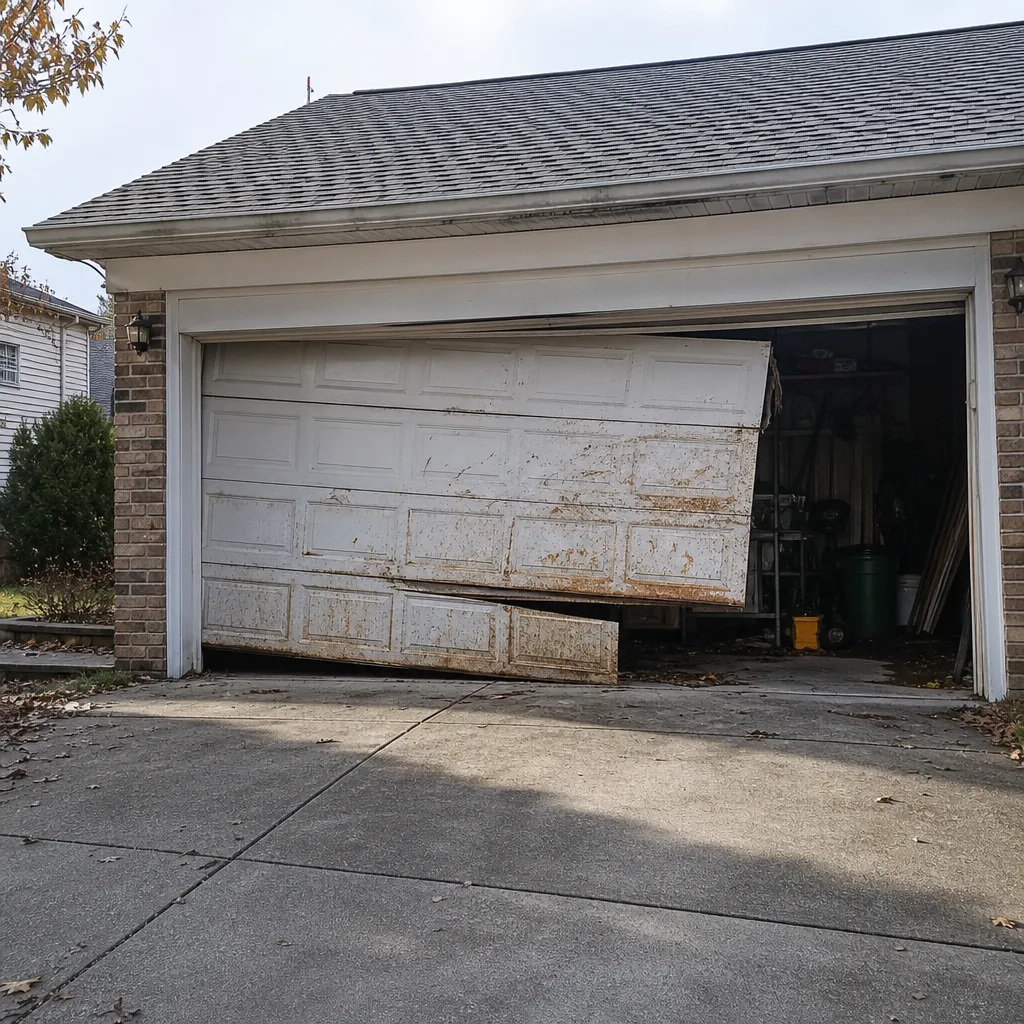 Before
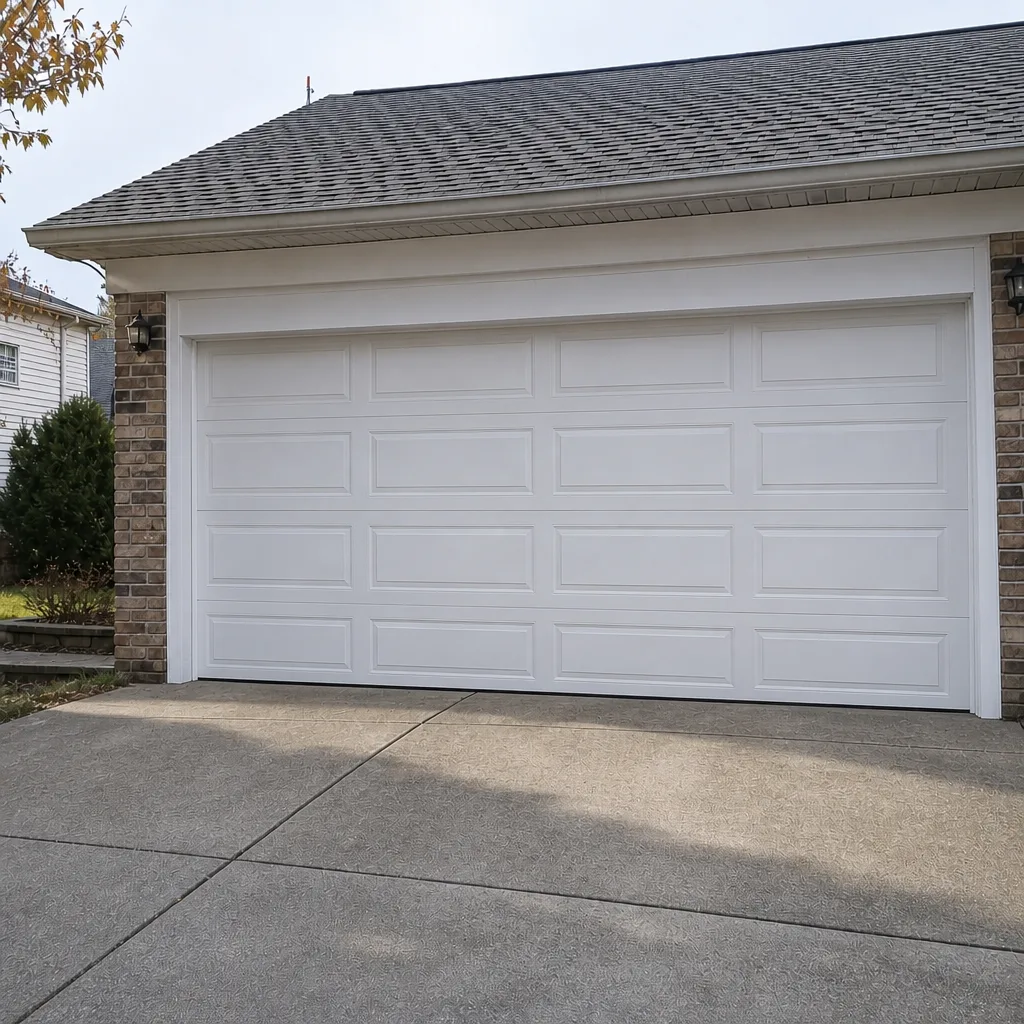 After
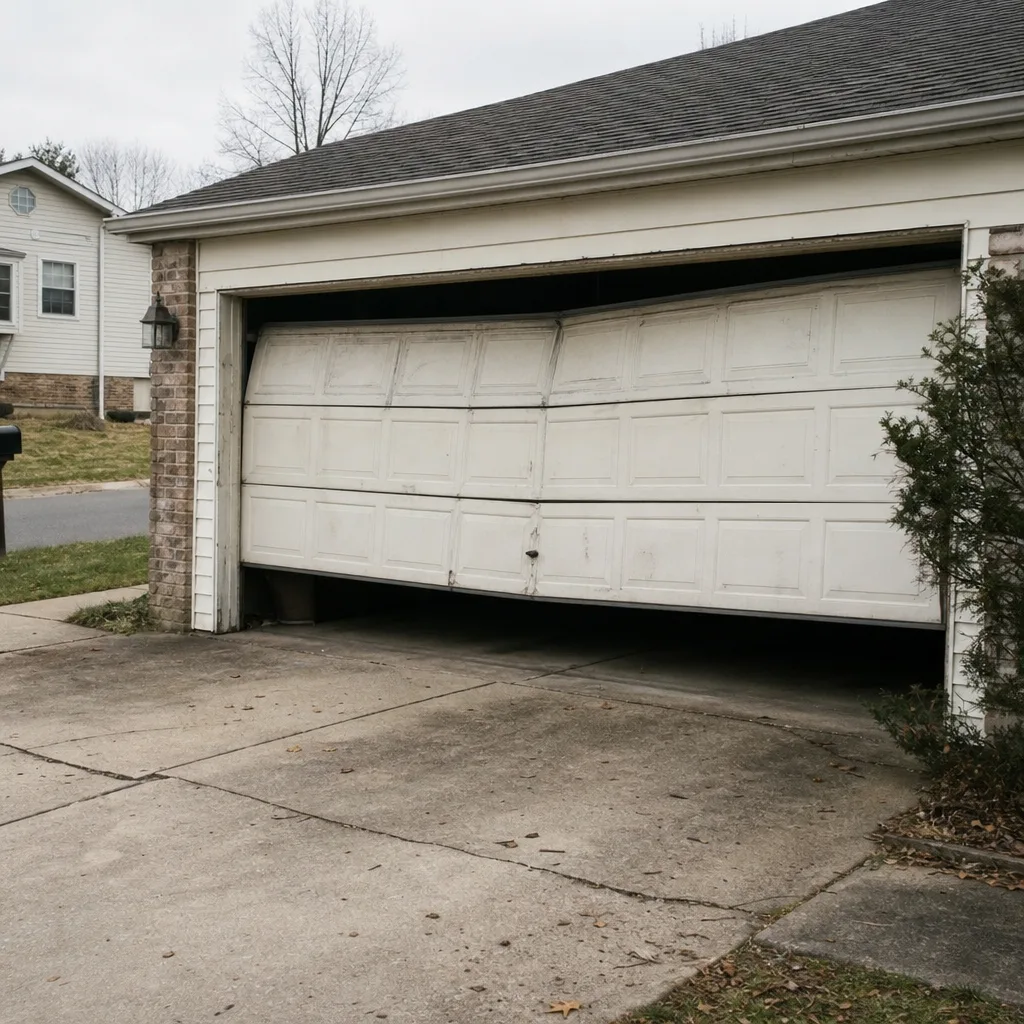 Before
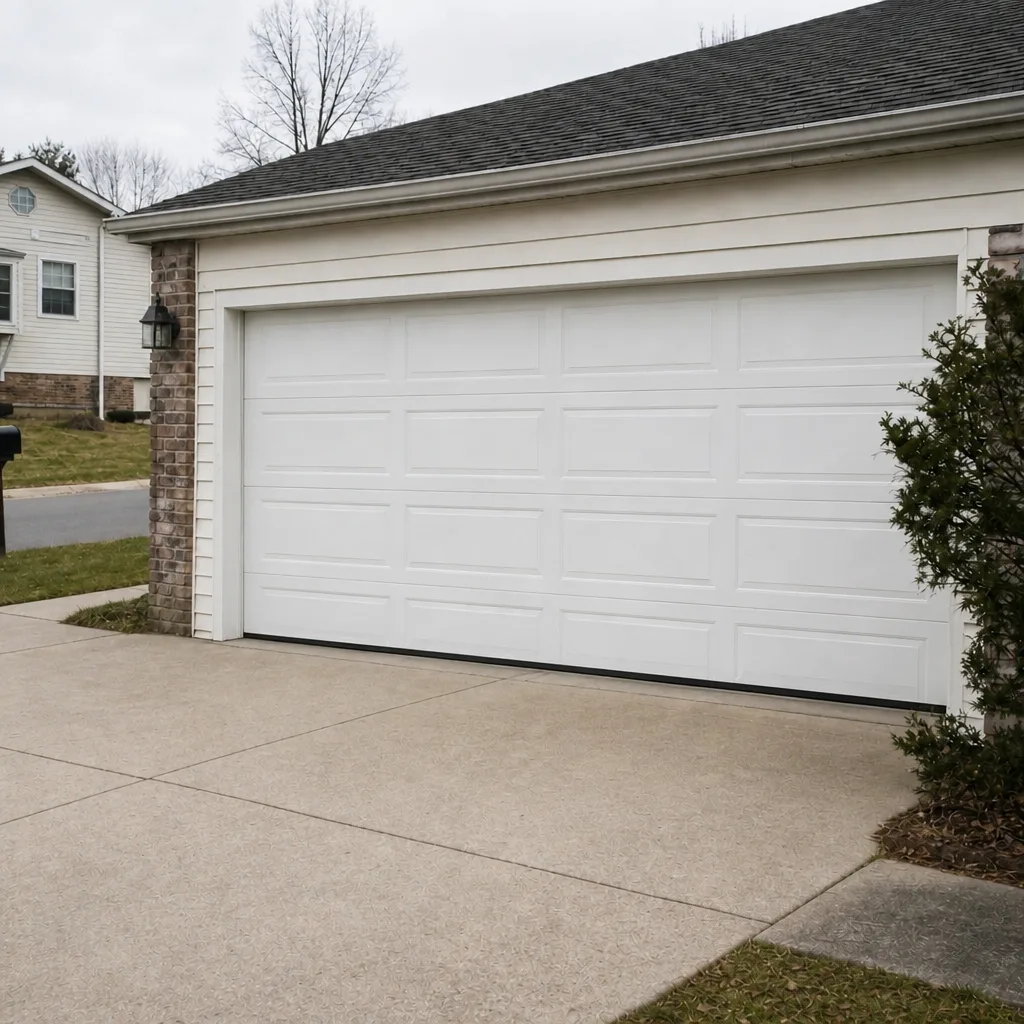 After
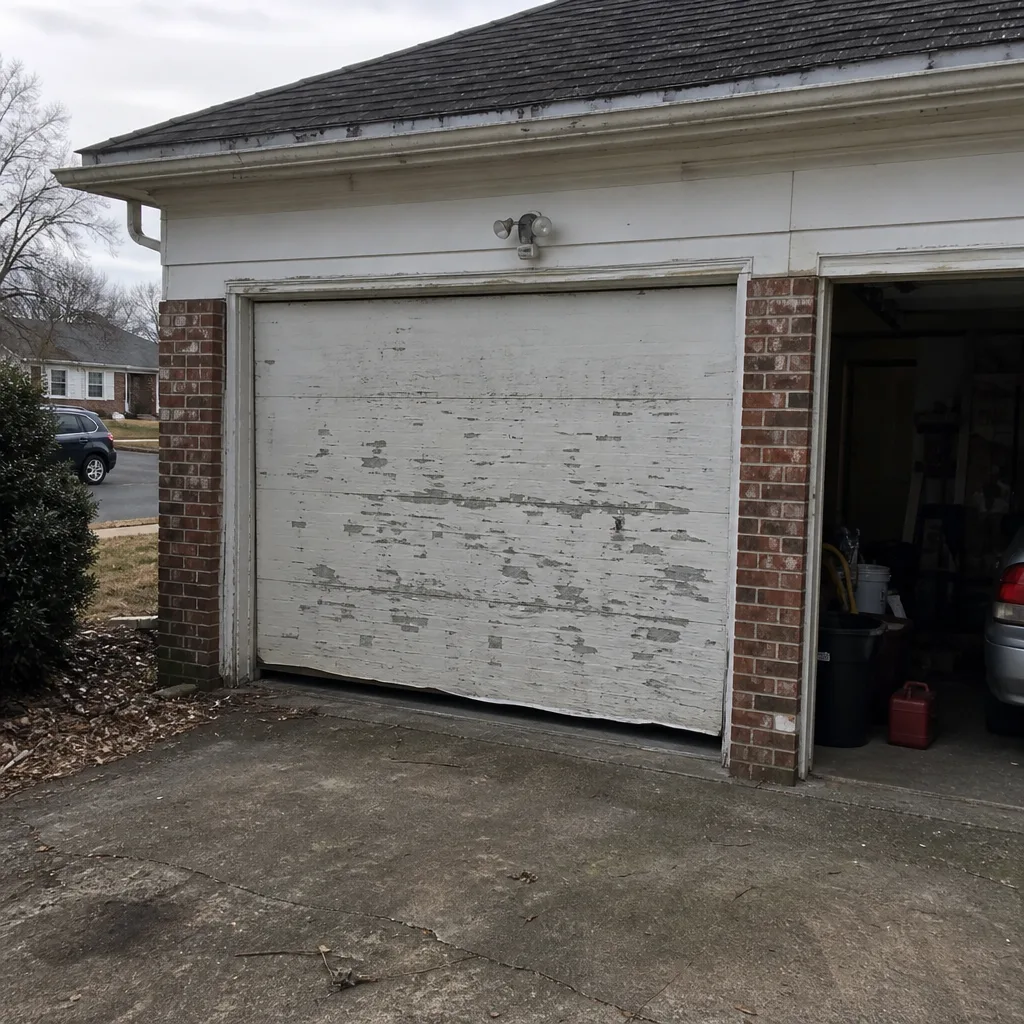 Before
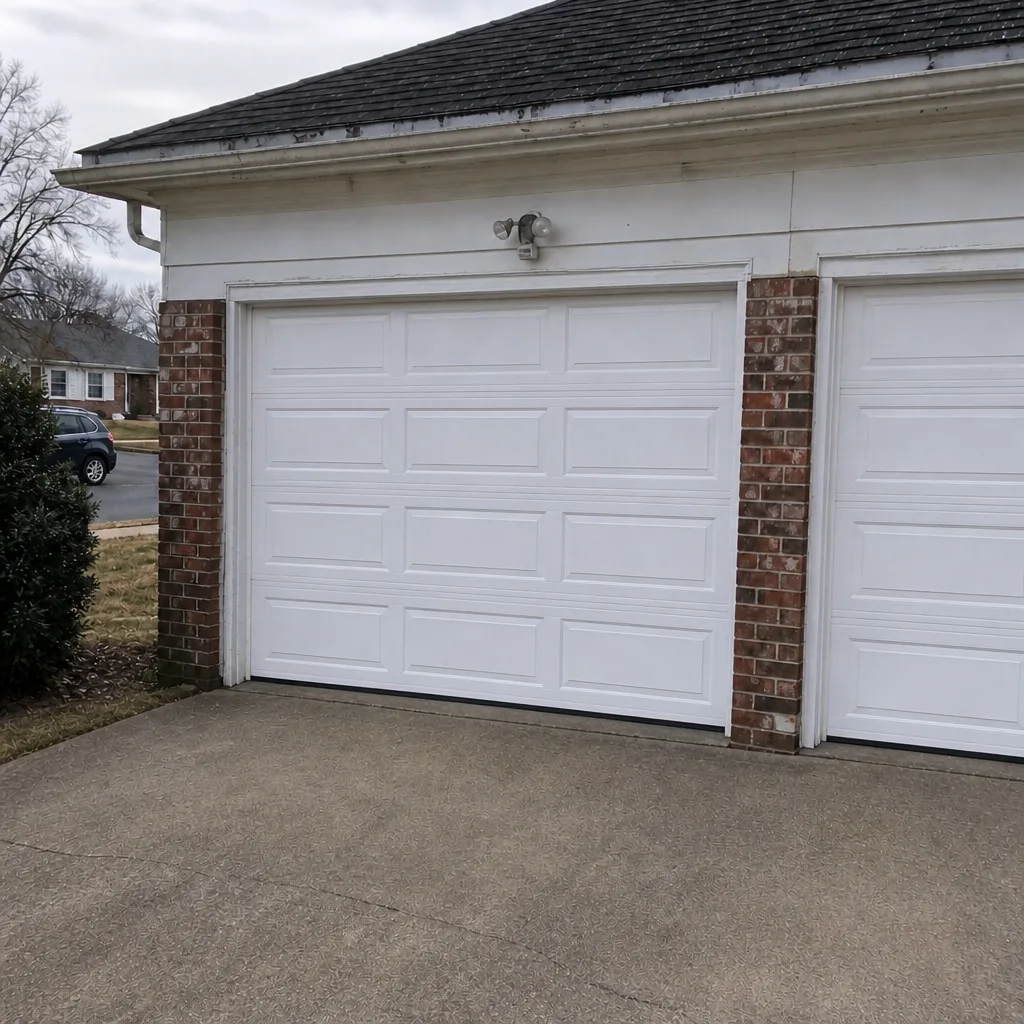 After
When to Call a Professional
Some seasonal care is genuinely homeowner-friendly: checking seals, testing safety features, applying lubricant, and monitoring for changes. The line between “check it yourself” and “call a technician” comes down to three things: torsion springs and cables under tension, opener force adjustments that affect safety, and any symptom that suggests the door is mechanically out of balance. Those should always go to a trained specialist. Beyond that, call a professional if you notice a door that reverses randomly, a spring that’s visibly sagging or broken, a door that binds or won’t fully close, or anything in the opener that fails the safety reversal test. When the door is doing something more complex than usual, we recommend a professional diagnosis rather than guessing at it. Garage Door Repair Bensalem offers free estimates in Bensalem. Call (844) 651-1493. We answer 24/7. Fast dispatch from 7am to 7pm, Sunday through Friday.
Frequently Asked Questions
Fall prep in September and October is the highest-value window. That’s when you can identify problems on a normal schedule, before cold turns them into emergencies. Balance testing, safety reversal testing, weatherstripping inspection, and switching to cold-rated lubricant all belong in this window. A fall tune-up addresses the issues that would otherwise surface as January repairs.
Applying lubricant to the outside of a torsion spring is generally safe if you’re careful not to put yourself in the path of the spring or cables. Adjusting, removing, or working with the mechanism itself is not safe and should be handled by a trained technician. If you’re unsure which part is which, call a professional. The risk of a spring under tension is serious enough that it’s not worth guessing.
Cold weather stiffens cables and thickens grease, which raises the resistance the opener sees as it lifts the door. If the forced setting is calibrated for warm weather, the added resistance can trigger the safety reverse even though nothing’s actually blocking the door. The fix is a force setting adjustment, but it needs to be done carefully so the safety reverse still functions correctly. If the door is doing this more than once or twice, call for diagnosis.
Not always, but the spring thaw check is worth doing because winter contraction can leave springs slightly out of balance. The balance test tells you: disconnect the opener, lift the door halfway, and see if it holds position. A door that drops or rises on its own needs professional adjustment. A door that holds steady probably just needs a lubrication refresh.
Check the finish every summer. Any peeling, cracking, or bare wood is a place where moisture gets into the panels. Address it before the humidity months stress the wood further. A door that looks painted in April but shows cracks in July has lost its moisture barrier and needs refinishing. Bensalem’s humidity makes this more urgent than it would be in a drier climate.
Call for professional service rather than trying to force the door closed or adjust components yourself. Cold-weather failures often involve springs, cables, or opener force settings, and all three are areas where a mistake can cause injury or further damage. We answer 24/7, with fast dispatch from 7am to 7pm, Sunday through Friday. The price is quoted and agreed before any work starts.
The Bottom Line
Bensalem’s four-season climate makes your garage door a moving target across the year. What works in one season can be wrong for the next. Fall prep, winter monitoring, spring thaw inspection, and summer humidity management are the four windows that actually matter, and doing them in the right order prevents most of the failures that would otherwise hit you at the worst possible time. The single most useful habit is switching to a cold-rated lubricant in late fall and back to a warm-weather product in spring, and the single most important safety rule is to leave springs and cables to a trained technician. If you want a thorough seasonal tune-up, or you’re not sure what shape your door is in heading into the next season, call (844) 651-1493 for a free estimate. We answer 24/7, with fast dispatch from 7am to 7pm, Sunday through Friday.
Written by the team at Garage Door Repair Bensalem.