
Last updated November 23, 2026
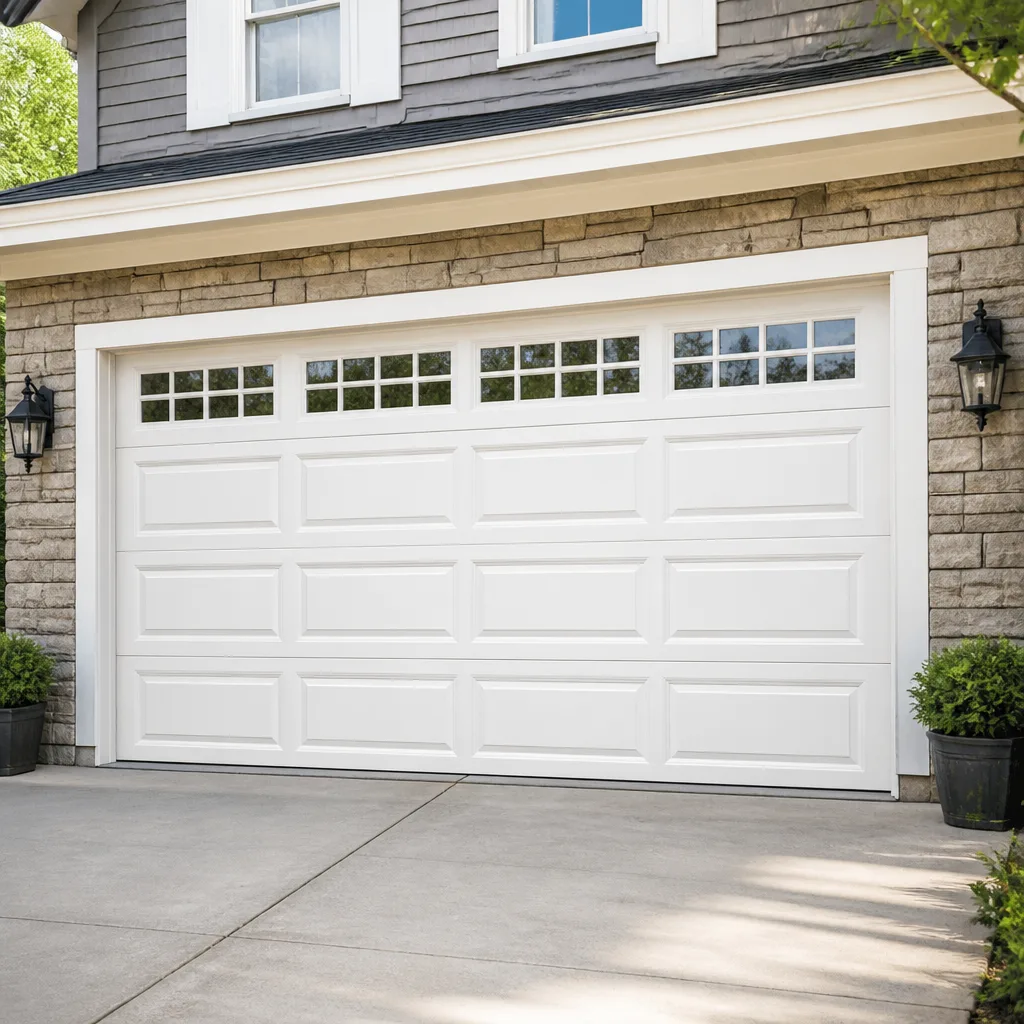 Raised-panel steel
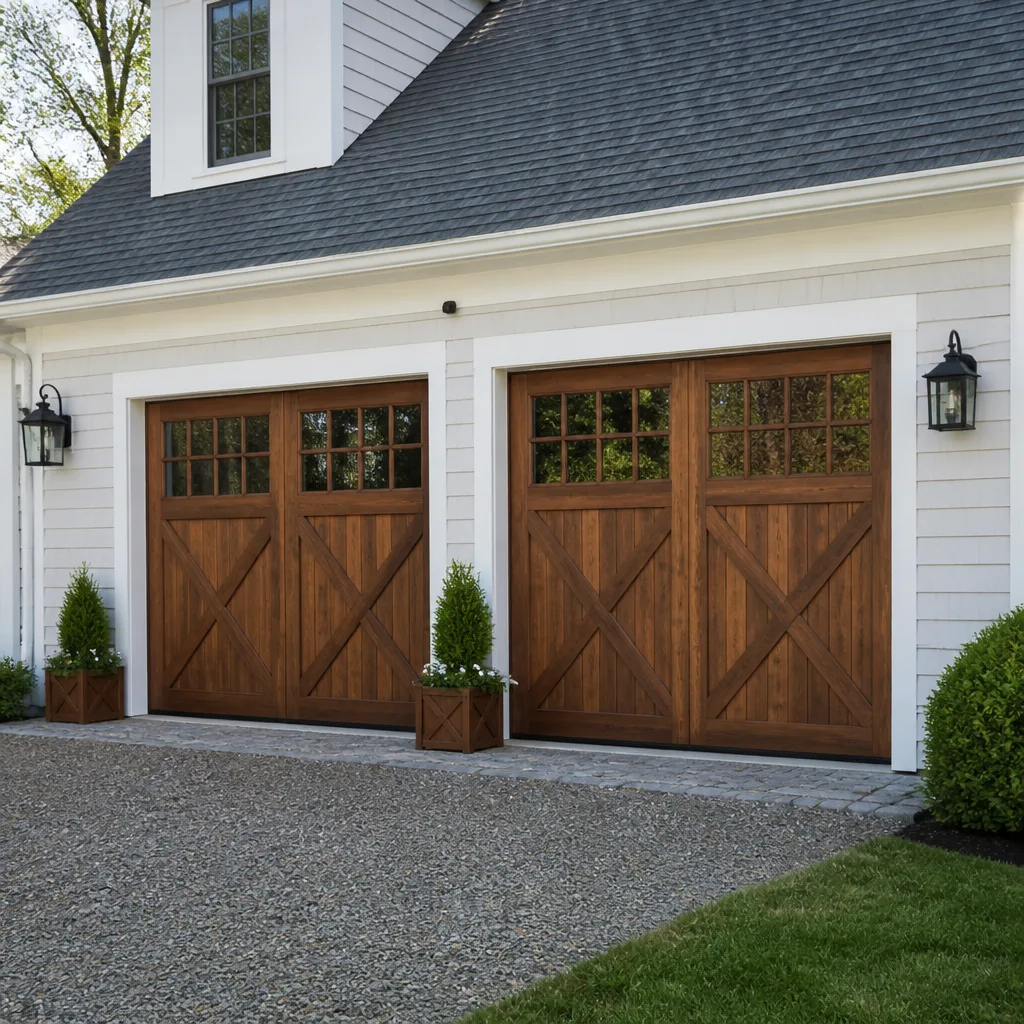 Carriage house
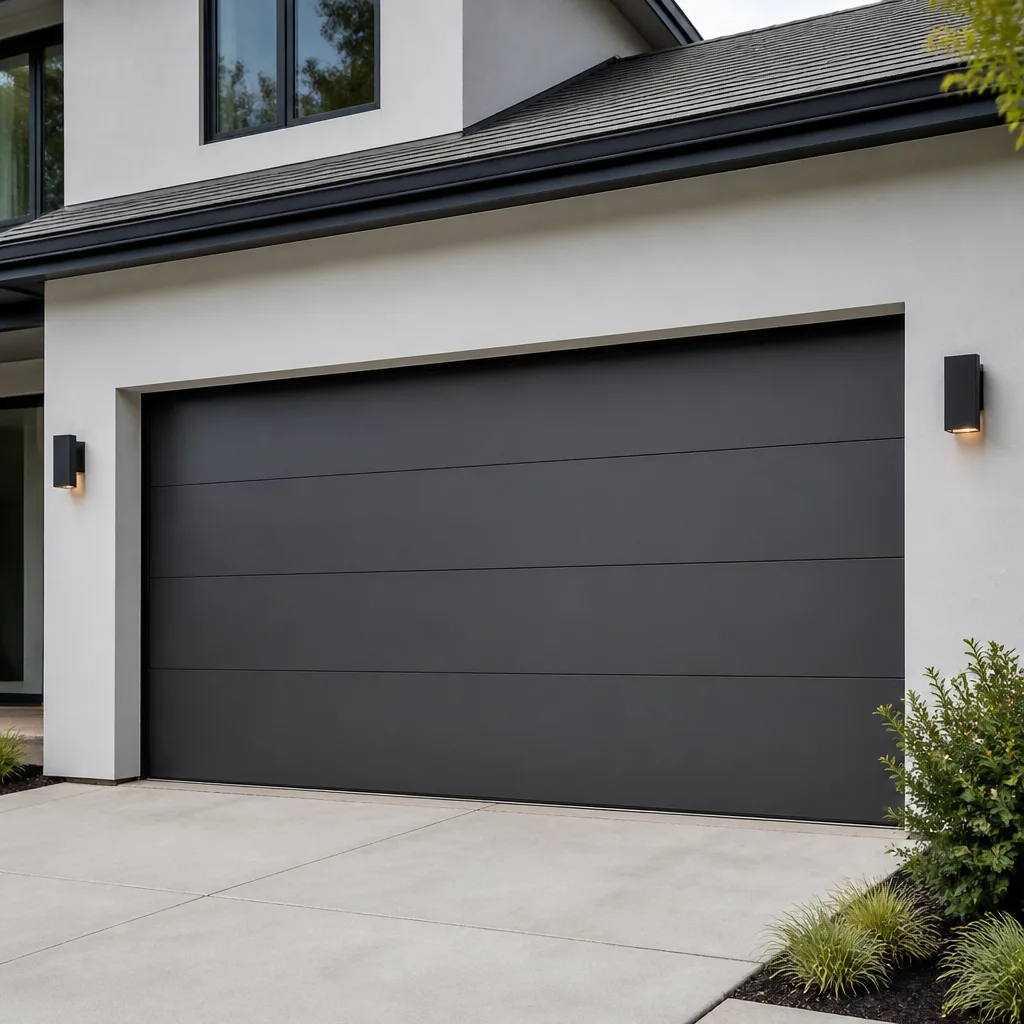 Modern flush
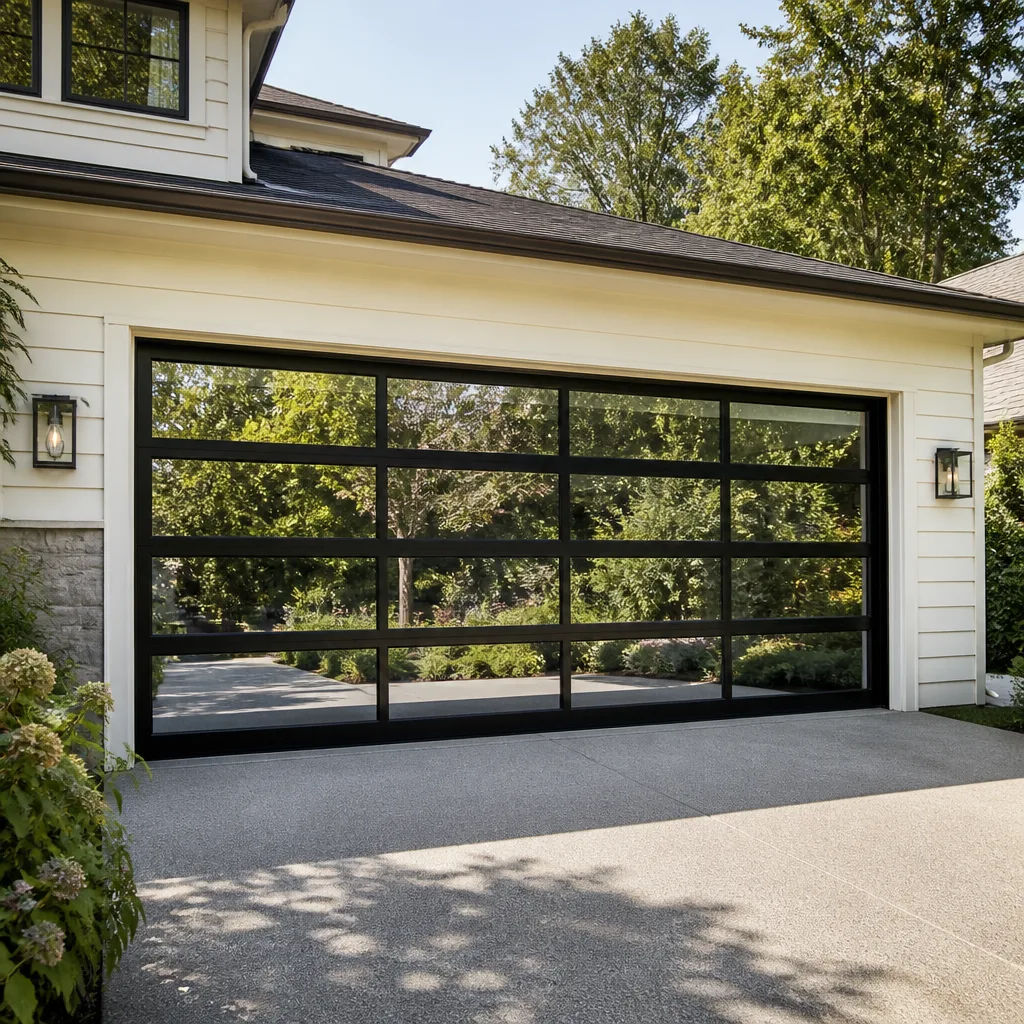 Full-view glass
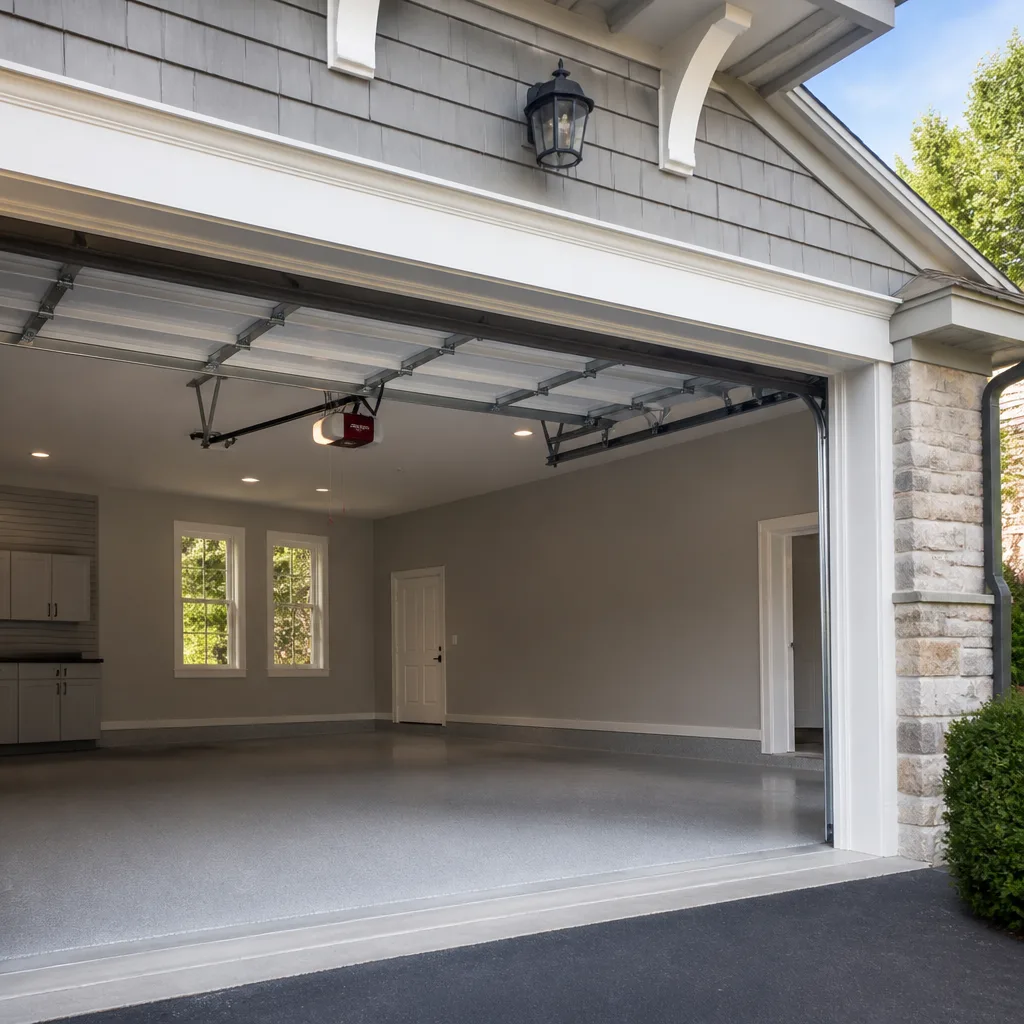 LiftMaster openers
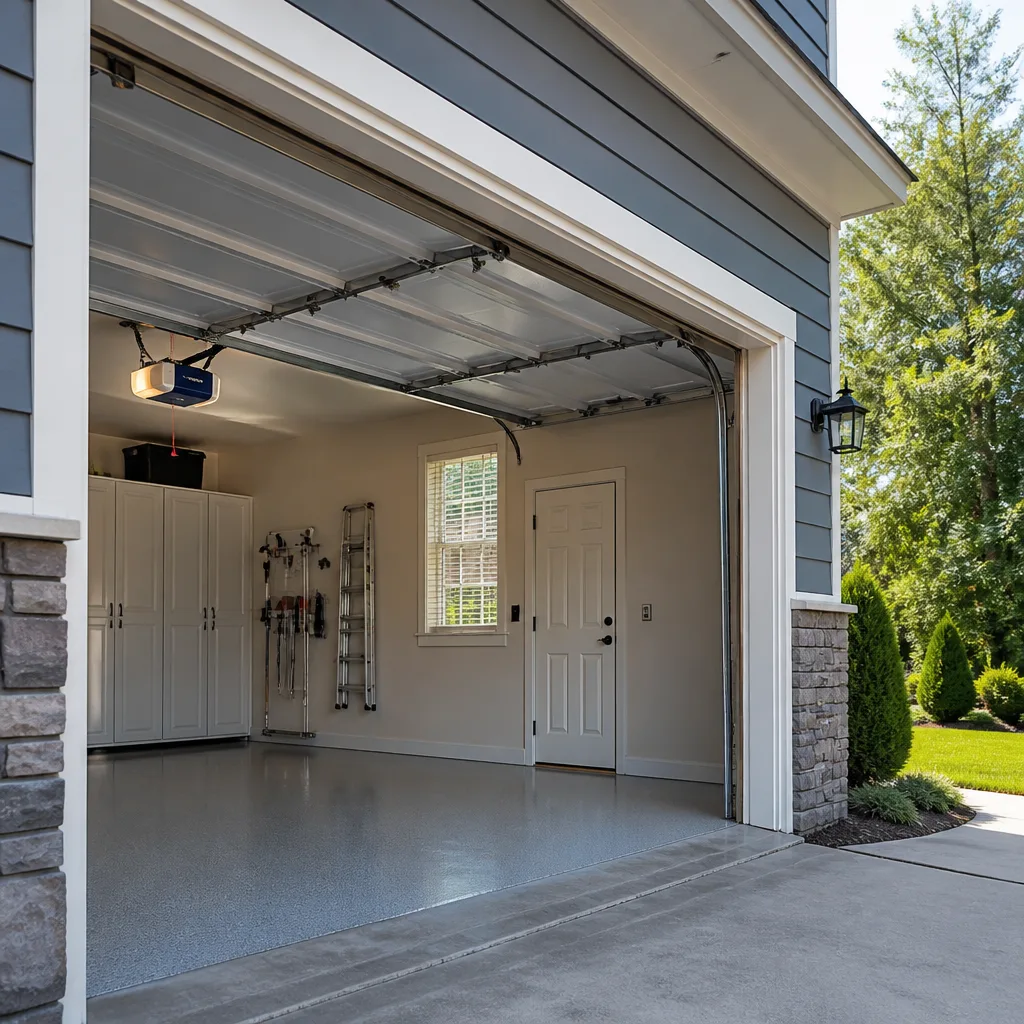 Chamberlain openers
Full 25-point door and opener safety check with every visit - springs, cables, rollers, tracks, and your LiftMaster or Chamberlain opener included
You get a price before we start. It does not change when the pro arrives.
Get your free estimateGarage Door Warning Signs: A Bensalem Homeowner’s Reference Guide
That grinding noise your door makes on the way down isn’t the door settling. It’s a roller bearing telling you exactly how much time you have left. Most homeowners in Bensalem hear the first signals months before a door actually fails, and they write them off as “just how an old door sounds.” That dismissal is what turns a small repair into a Sunday night emergency with a car trapped inside. This guide translates the specific sounds, movements, and visual cues you’re hearing and seeing into actionable diagnoses, so you can tell cosmetic wear from structural failure and act before a warning sign becomes a breakdown.
Quick Answer
The most important garage door warning signs are grinding or squealing during travel, a door that moves in jerks or reverses on its own, visible gaps between door sections, bent or slack cables, and springs that look stretched or have a visible gap. Any one of these is a prompt to get the door looked at; two or more together, especially a heavy-sounding door plus a slow opener, usually mean a repair is due before the door quits entirely. When a door won’t budge, Garage Door Repair Bensalem handles it, and for anything beyond a simple adjustment it’s worth having a specialist confirm what you’re hearing.
Styles & brands we work with
- Raised-panel steel
- Carriage house
- Modern flush
- Full-view glass
- LiftMaster openers
- Chamberlain openers
Table of Contents
- The Sound-to-Diagnosis Index: What Each Noise Tells You
- Visual Wear Indicators and Rough Remaining Service Life
- Behavioral Warnings: Slow, Uneven, or Self-Reversing Doors
- Cosmetic Wear vs. Structural Failure: Which Is Urgent?
- The Sunday Night Failure Profile
- The Signs You Should Never Investigate Yourself
- How Bensalem Weather Ages a Door
- A Simple Inspection Routine for Bensalem Homeowners
The Sound-to-Diagnosis Index: What Each Noise Tells You
Garage doors are mechanical systems with a small handful of moving parts, and each part makes a characteristic noise when it starts to fail. Learning to separate them is the fastest route to an accurate diagnosis. Here’s what we listen for.
- Grinding, low and continuous: Usually a dry or worn roller bearing, or a torsion tube with a dry bearing at the end plate. It tends to get louder in cold weather. This is one of the earliest warning signs and the easiest to catch.
- Squealing or a high-pitched whine: Metal-on-metal friction, often from rollers that have lost lubrication or from a hinge pin that’s seized. Left alone it accelerates wear on the track.
- A sharp popping sound, once, followed by a heavy door: This is the classic sound of a torsion spring breaking. The door immediately becomes very heavy and should not be operated. This is a stop-and-call situation.
- Rattling, especially as the door opens: Loose hinges, a loose bottom bracket, or panels that have worked slightly out of alignment. Rattling rarely means the door is about to fail, but it does mean fasteners are loosening.
- Banging at the start of travel: Slack in the opener’s chain or belt, or a door that’s out of balance and dropping hard onto the opener’s force. This one wears out openers fast.
The single most useful habit is to stand in the garage and listen to a full open-and-close cycle every few weeks. You’re not hunting for silence; you’re listening for a new texture in a sound that was previously uniform. Homeowners who call us early for a noisy door almost always catch a bearing or roller problem before it takes the track with it. In our experience, a noisy door that’s still opening is the cheapest door to fix. When the problem is specifically in the motor or controls, that falls to garage door opener repair, but the mechanical side starts here.
Visual Wear Indicators and Rough Remaining Service Life
You don’t need tools to do a visual inspection. A flashlight and five minutes will tell you most of what a technician would see on arrival. The key is knowing which component you’re looking at and roughly how long you have once it looks worn.
Torsion springs, the wound coils above the door, are the heart of the system. A healthy spring is tight and uniform. A spring with a visible gap of a half-inch or more, or one that looks stretched and slightly twisted relative to its neighbor, has moved into the danger zone. Expect a spring like that to fail within weeks to a few months, and sometimes without further warning. Extension springs, the ones that run alongside the track, should be straight and even; if one hangs slack or shows a stretched section, it’s losing tension.
Cables should be taut and seated cleanly in their drums. A cable that looks slack, frayed, or is starting to unwind at the drum is a structural problem, not cosmetic. Rollers should be round and turn freely inside the track; a flat spot or a wobbly roller has roughly a season or two left before it starts scoring the track. Hinges should sit flat against the panel with no gap. Weather seals and bottom rubber are the one component that can look terrible and still be purely cosmetic – a cracked seal lets in water and drafts but won’t fail you mechanically.
Panel alignment deserves its own look. Hairline surface cracks in the paint or a small bubble in the coating are cosmetic. A crack that runs through the panel, a bow you can see when the door is down, or a gap between sections is structural, and it’s the kind of thing that gets worse with every cycle. For owners with older doors, especially common Clopay and Wayne Dalton models seen throughout Bensalem neighborhoods, panel and hinge wear is worth checking on the same schedule as the springs.
Behavioral Warnings: Slow, Uneven, or Self-Reversing Doors
How a door moves tells you almost as much as how it sounds. The best test is to disconnect the opener (most have a manual release cord) and lift the door by hand. A balanced door should lift with modest effort and stay put when you let go halfway. A door that feels heavy, drops, or needs a shove is out of balance, and that imbalance is almost always a tension problem in the springs.
With the opener reconnected, watch for these behaviors:
- Slow or labored movement. The opener is fighting resistance. Often a door out of balance, a binding track, or a tired motor. If the motor is a LiftMaster or Chamberlain unit, force settings can mask this for a while.
- Uneven travel, one side lagging. One track is out of alignment, a cable is slack, or a spring is weaker on one side. Don’t ignore a door that closes crooked; it’s loading the panels unevenly.
- Reversing without an obstruction. If the safety sensors are clean and aligned and the door still reverses on its way down, the logic board or force settings are the likely culprit. Clean the sensor lenses first – cobwebs and dust cause this more than people expect.
- Stopping partway and humming. The opener’s capacitor or motor is failing, or a safety switch has tripped. If it repeats consistently, the opener needs a look.
One behavioral warning people miss is a door that’s getting noisier specifically as it nears the floor. That’s usually a hinge at the bottom section or the bottom bracket. It’s small, but it’s also cheap to fix, and it’s the kind of thing that, left alone, eventually takes the whole lower panel with it.
Cosmetic Wear vs. Structural Failure: Which Is Urgent?
Knowing which is which keeps you from panicking over nothing and, more importantly, from ignoring something real. Here’s the split we use.
Cosmetic, low urgency: faded paint, surface rust spots on a panel, a cracked weather seal along the bottom, dust on the sensor lenses, minor scuffing, and a slightly wobbly handle. None of these affect whether the door will work tomorrow, though the seal is worth replacing before it lets water pool at the threshold.
Structural, urgent: any visible gap in a torsion spring, a slack or frayed cable, a bent track, a bow in a panel, a door that’s come off its track, or a bottom bracket that’s pulled loose. These are the ones where continuing to operate the door risks injury or a much more expensive repair. A door that has partially come off the track is especially dangerous because the opener can still try to drive it.
There’s a middle category that we think gets overlooked: alignment issues between track and door. A door that’s only slightly off can run for a long time, but it eats rollers and strains the opener the whole while. For doors in Bensalem that face a full summer of heat expansion followed by a cold winter, that misalignment becomes more pronounced seasonally. If you can hear the door scraping a track but it still runs, that’s the moment to have it adjusted rather than the moment to ignore it.
The Sunday Night Failure Profile
There’s a pattern to the calls that come in when a door can’t wait. It isn’t usually a single dramatic failure. It’s a stack of small signals that share a cause and get dismissed together until the system gives out.
The classic combination looks like this:
- A door that’s been getting heavier and noisier for weeks or months.
- A spring that had a visible gap or a stretched section someone noticed and forgot.
- A noisy or occasionally struggling opener that’s been “doing fine” for a while.
- A door that’s started reversing intermittently, so the owner just holds the button to force it closed.
Every one of those signals points back to the same root cause: the door has lost balance, and the opener has been doing heavy lifting it was never built for. When a spring finally goes or the opener burns out on a Sunday, the owner isn’t surprised the door broke – they’re surprised it couldn’t wait until Monday. If you recognize more than one item on that list, it’s worth a call before it’s an emergency. Spring problems especially belong to a specialist, and garage door spring repair is one of the most important calls a homeowner makes, because the spring is the single most dangerous component on the door.
The Signs You Should Never Investigate Yourself
Some of this guide is about what to look and listen for. This section is about what not to touch. Garage door torsion springs are under extreme tension, and a spring or cable that’s about to fail can cause serious injury. The same is true of the bottom bracket. If you see any of the following, stop operating the door and call a trained professional.
- A spring with a visible gap, a snapped spring, or springs that have visibly moved from their position.
- A cable that’s slack, frayed, or off its drum.
- A door that’s come partly out of its track, or a door with a bent track.
- A door that’s hanging crooked with one side dragging.
- Any grinding that suddenly becomes a pop or a bang while the door is moving.
We don’t recommend adjusting springs, disconnecting cables, or tightening the bottom bracket as a do-it-yourself fix, because each of those steps can release stored tension in an unpredictable way. What you can safely do: pull the manual release to disconnect the opener, make sure no one is under the door, and leave it down or up and call for help. That’s the safest sequence every time.
How Bensalem Weather Ages a Door
Garage doors in Bensalem live through real seasonal swings. Hot, humid summers expand the metal panels and soften the lubricants in the rollers and hinges; cold winters contract them and stiffen everything. The result is a door that runs quietly in spring, gets noisier in the heat, and gets louder still in January.
That’s not just cosmetic. The expansion and contraction cycle that plays out over a year in Bensalem loads the springs and hinges differently in each season, and it’s why a door that was fine last fall can sound rough by February. It’s also why weather seals crack here – the bottom rubber has to deal with heat, cold, and the freeze-and-thaw that comes with a Mid-Atlantic winter.
Two upgrades help a door handle that cycle better: keeping rollers and hinges lubricated so the metal isn’t fighting itself, and choosing insulation and weather sealing that suit the climate if you’re replacing a door. Insulated steel doors, including many Clopay and Amarr models, hold up well to this pattern. When we install a new door, matching it to the local weather is part of the measure, and garage door repair calls often start with a door that’s been quietly losing ground since last season.
There’s also a local side worth knowing. Bensalem sits at the edge of a hilly, tree-lined area, and older neighborhoods tend to have doors with more years on them. A door that’s been in service for a couple of decades should get a closer look at its springs and hinges on a shorter schedule than a newer one.
A Simple Inspection Routine for Bensalem Homeowners
The point of this routine is to catch wear early in a way that’s safe. You’re observing, listening, and wiping – not adjusting springs or cables. Do it once a month, and it takes less than ten minutes.
- Listen to a full cycle. Open and close the door once and just listen. Note any new sound and whether it changes as the door moves.
- Look at the springs. With the door closed, check for gaps, stretch, or anything that looks off. If you see one, stop and call.
- Check the cables. Look for slack, frays, or unwinding at the drum. Don’t touch – just note.
- Eyeball the track and panels. Look for bends, gaps between sections, or a bow in the door. Close the door and check alignment at the floor.
- Wipe the sensor lenses. Dust, cobwebs, and pollen cause more “door won’t close” calls than any other single item.
- Test the safety reversal. With the door closing, place a low object in its path and confirm it reverses. If it doesn’t, that’s a repair, not a wait-and-see item.
- Lubricate the moving metal. A dry lubricant on the rollers, hinges, and springs keeps friction low and stops the noise from getting ahead of the wear.
The routine works best if you keep a small note. Sounds and small changes are easy to forget once they’ve become normal. A line a month will tell you more about the health of the door than any single inspection. If you use a LiftMaster or Chamberlain opener, a habit of watching for slow or hesitant travel is especially useful, because those units will usually warn you before they stop. And if maintenance turns into a repair, the answer belongs under garage door repair – one call covers the door, the opener, and the springs.
Common Mistakes to Avoid
- Ignoring a noisy door because it still opens. The door working today is not a sign of health; it’s a sign the failure hasn’t reached its final stage yet. Noise is the earliest warning sign you’ll get, and it’s the cheapest one to act on.
- Forcing a reversing door to close. Holding the button to make a self-reversing door shut fights the safety system. If the door reverses without an obstruction, the sensor or logic is telling you something – get it checked.
- Stretching a spring “just a little.” Springs are under extreme tension and adjusting them without proper tools is genuinely dangerous. There’s no safe DIY version of this repair.
- Assuming a generalist can handle it. A multi-trade handyman will often refer a spring problem out, which costs you a second call. Garage doors are all we do, and every technician we dispatch works on the door itself – which matters when the job involves a Wayne Dalton or Craftsman system with its own quirks.
- Skipping the visual check in the cooler months. Bensalem winters are hard on springs and seals, and the signs are easiest to catch before the first hard freeze. A quick check in fall saves a call in January.
- Replacing a door when a repair is enough. A door that’s out of alignment or has a worn bearing doesn’t need a new door. Diagnose before you replace, and let a specialist tell you which is which.
- Letting a single small signal sit. One loose hinge is a small repair. A loose hinge plus a noisy roller plus a slightly heavy door is a system telling you it’s overdue – the accumulation is the real warning.
See the difference
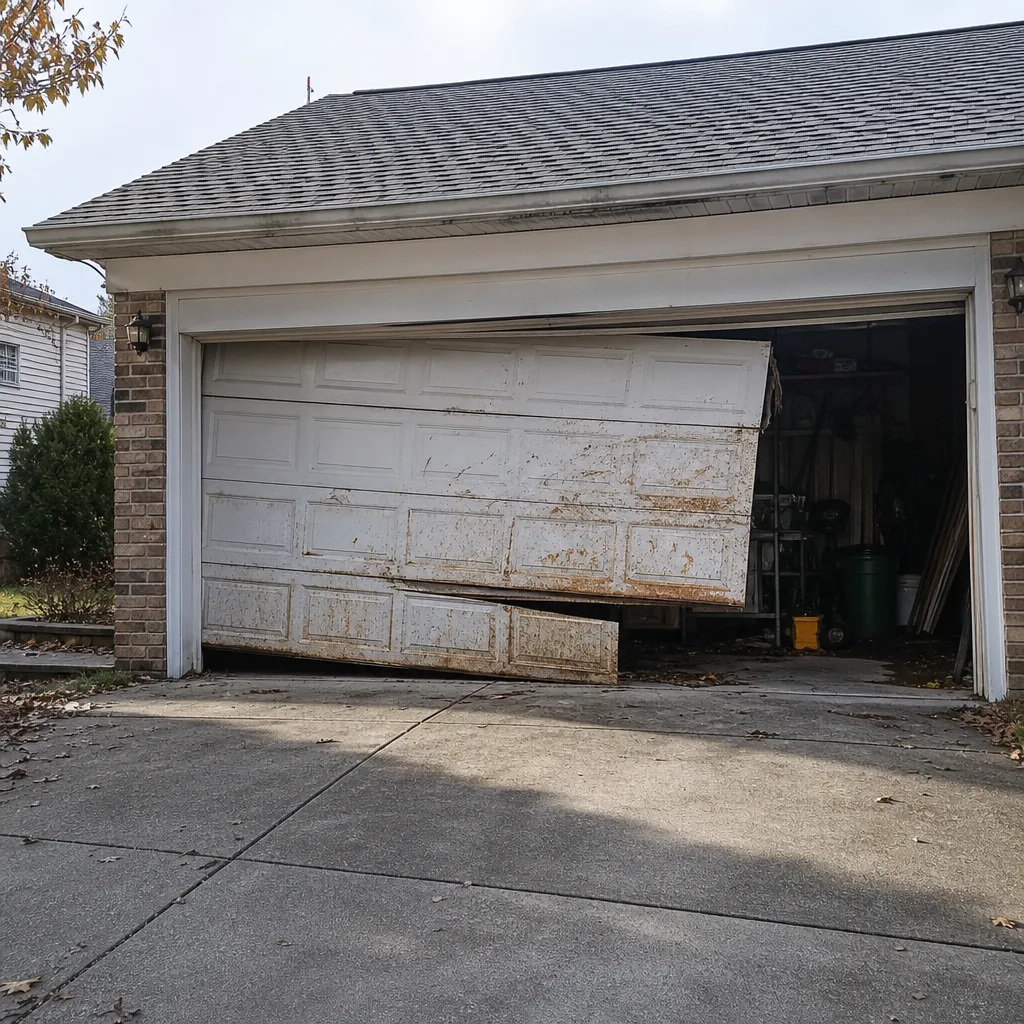 Before
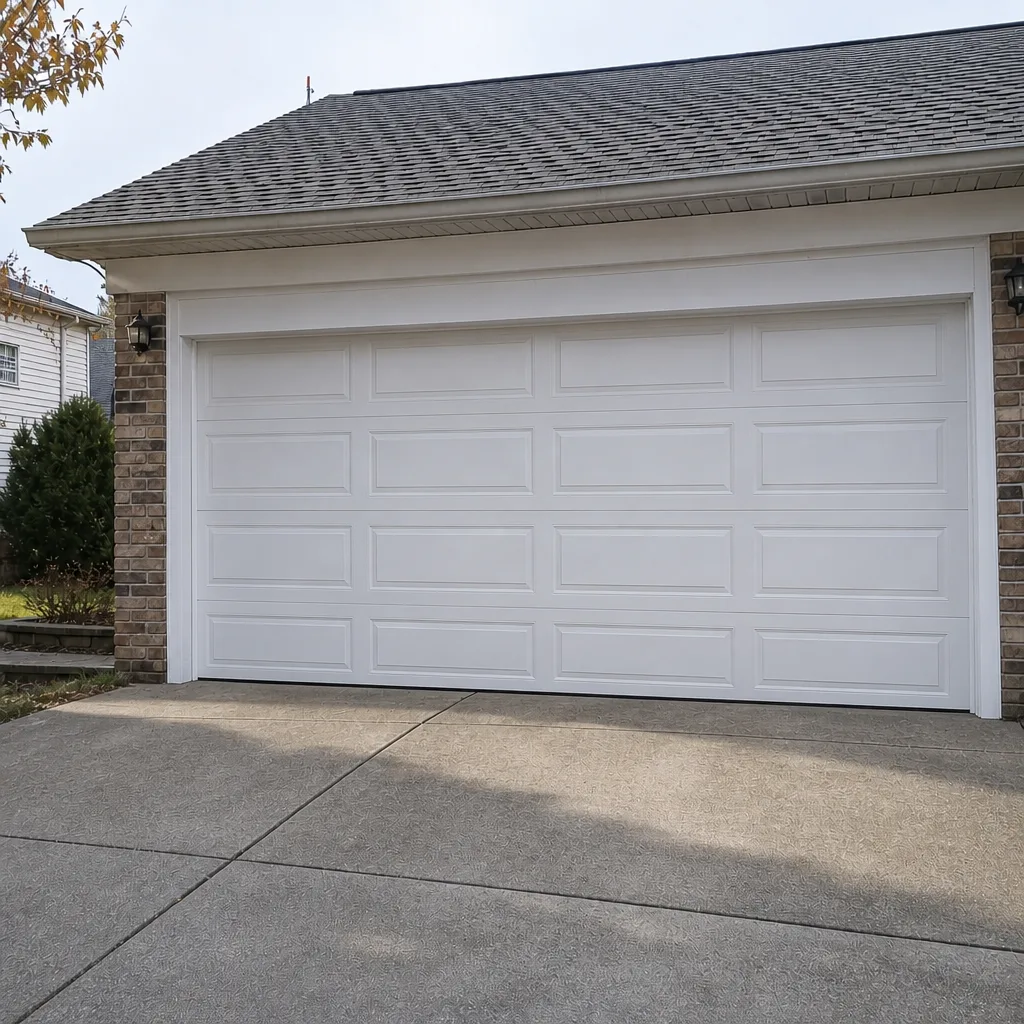 After
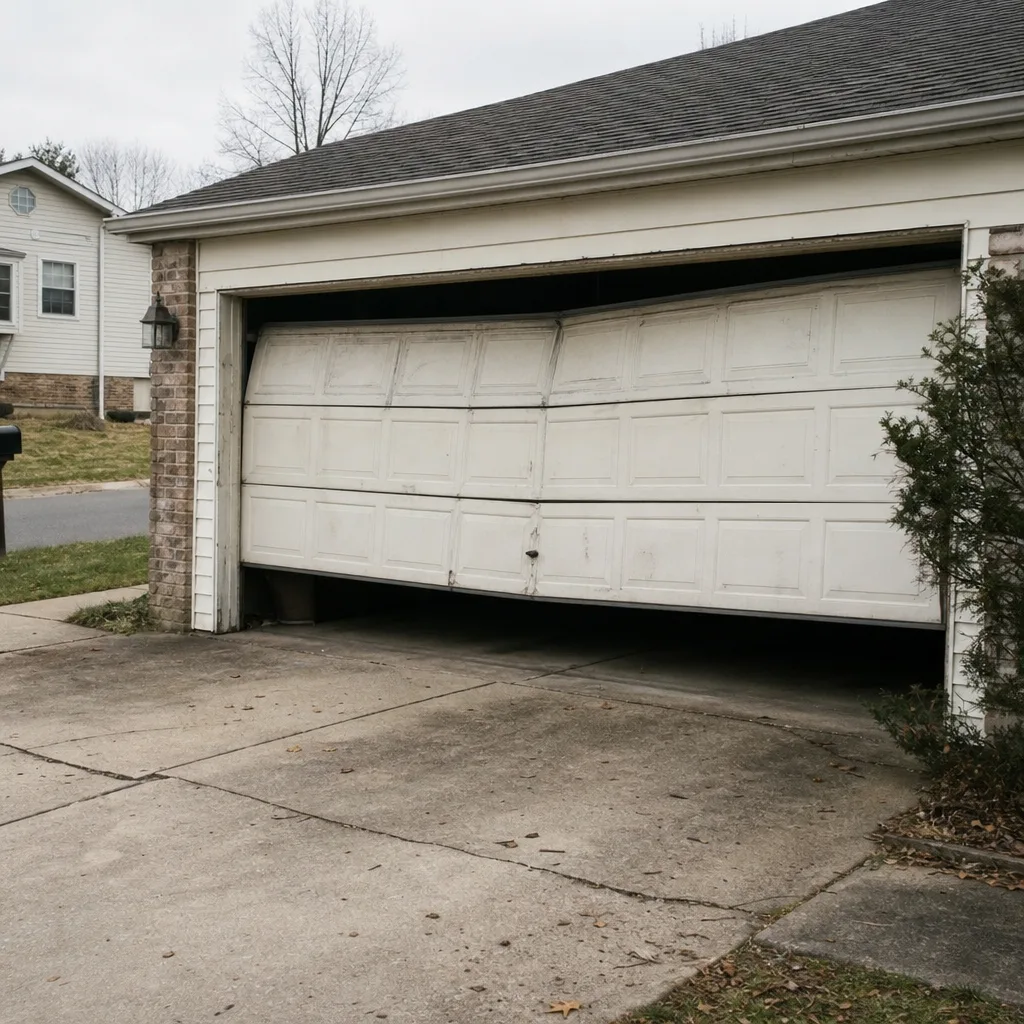 Before
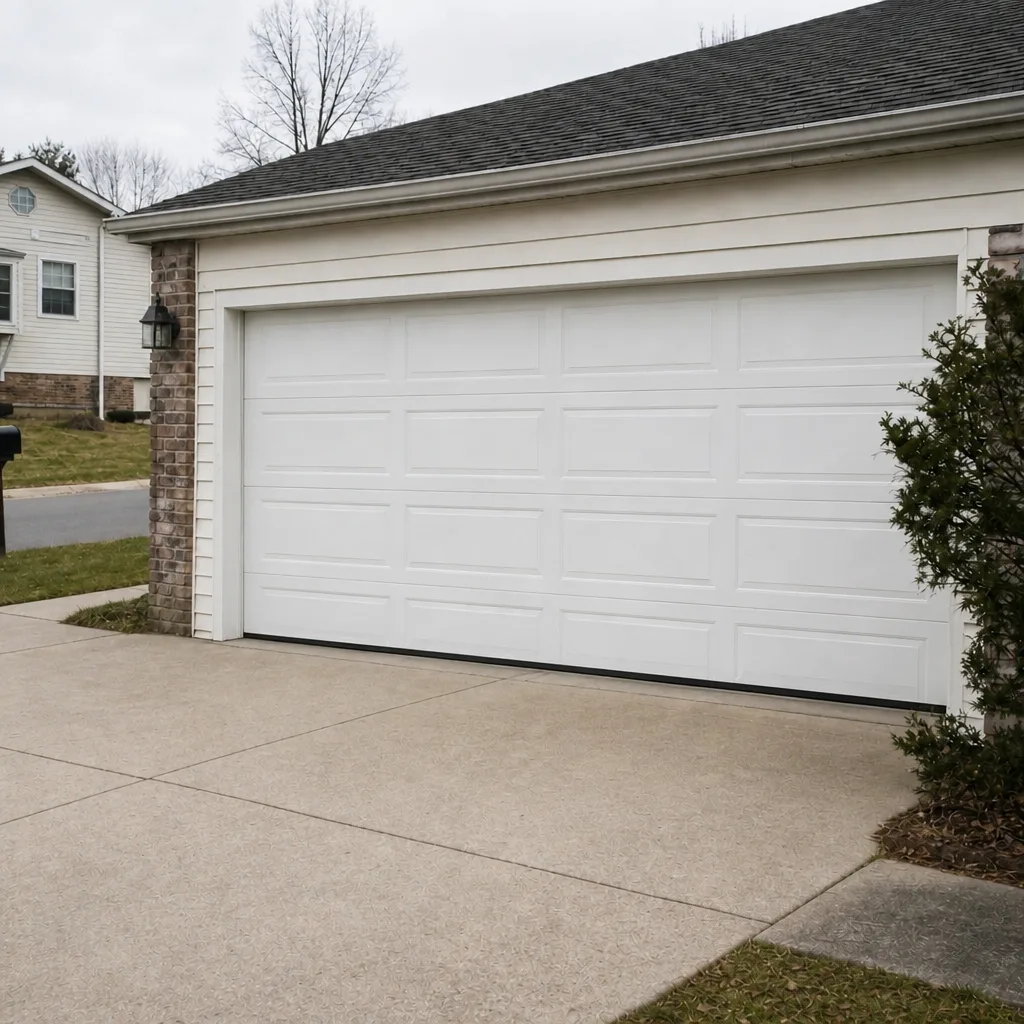 After
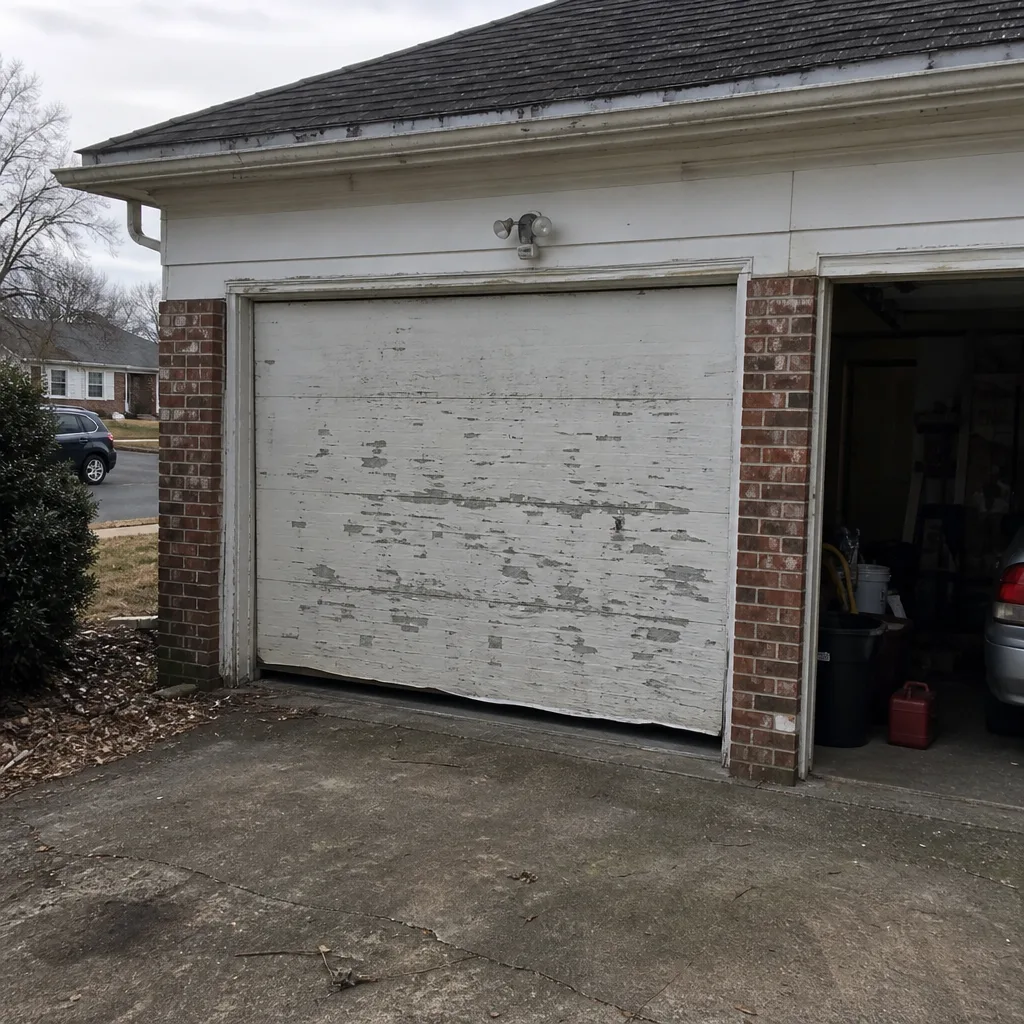 Before
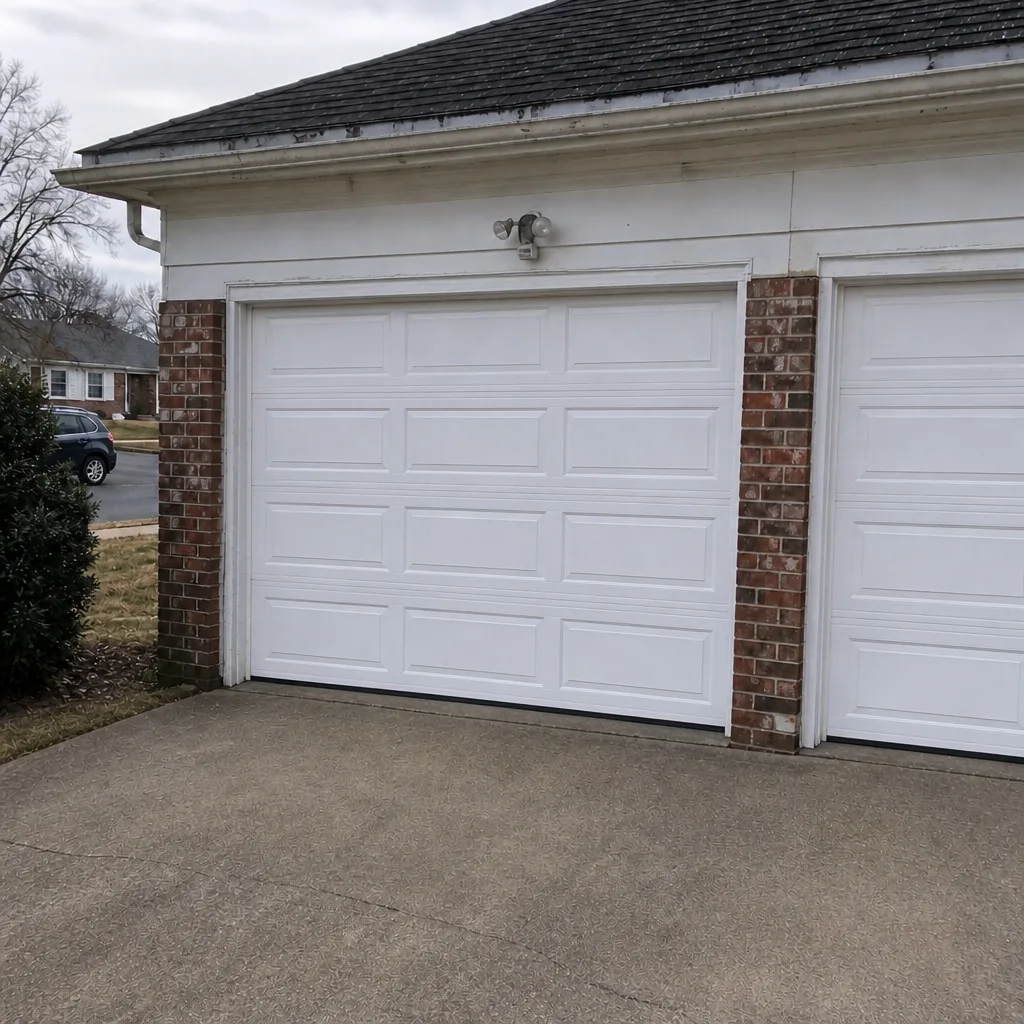 After
When to Call a Professional
Call a specialist when a spring shows any defect, a cable looks slack or frayed, the door has left its track, or a door feels heavy and drops when you lift it by hand. Call sooner if several warning signs show up together, or if the opener has started hesitating, reversing, or working hard to move the door. Garage Door Repair Bensalem offers free estimates in Bensalem – call (844) 651-1493. The price is set per job by the written estimate, agreed before any work starts. We answer 24/7, and fast dispatch runs 7am to 7pm. Our technicians have up to 8 years of experience, and when your garage door won’t budge, one call covers the repair, the opener, the springs, or a full new door.
Frequently Asked Questions
The first sign is almost always a new sound – grinding, squealing, or rattling that wasn’t there before. Sound shows up before balance problems get serious, so it’s the earliest and most reliable cue. If you’re hearing it and want it confirmed, call (844) 651-1493 for a free estimate.
It can be an emergency if the noise is coming from a spring or cable, because those can snap without warning. A squeaky roller is an annoyance; a grinding that turns into a pop is not. When in doubt, stop operating the door and have it checked – call (844) 651-1493.
A crack that runs all the way through a panel, a visible bow, or a gap between sections is structural. Surface cracks in paint or coating are cosmetic. If you’re unsure, a quick inspection settles it – the written estimate sets the price, so there’s no guesswork on cost.
Clean the safety sensor lenses first, because dust and cobwebs cause this more than people realize. If the door still reverses with clear sensors, the logic board or force setting needs a look. Call (844) 651-1493 if it keeps happening.
They don’t wear faster, but they wear differently – heat expansion and cold contraction load the springs and hinges unevenly across the year. That’s why the door sounds different in February than in June. Lubrication and a short monthly inspection keep that under control.
Yes. We service LiftMaster, Chamberlain, Genie, Clopay, Amarr, Wayne Dalton, Craftsman, and Raynor equipment. The technician works on your actual system, not a generic one. Call (844) 651-1493 if you’re not sure which brand you have – the free estimate covers diagnosis.
The Bottom Line
Garage doors don’t fail without warning; they fail after a long sequence of signals that got dismissed. Grinding, squealing, popping, rattling, slow travel, a door that reverses, a spring with a gap, a cable that’s slack – each one is a component telling you what’s next. Cosmetic wear can wait. Structural wear shouldn’t. To act before it’s an emergency, use the monthly inspection routine, watch for several signals stacking up together, and let a specialist handle anything involving springs, cables, or the track. If you want a second set of eyes, Garage Door Repair Bensalem is here to help.
Call (844) 651-1493 for a free estimate. We answer 24/7. Fast dispatch from 7am to 7pm, Sunday through Friday. The price is quoted and agreed before any work starts, and the written estimate is the price.
Written by the team at Garage Door Repair Bensalem.